
Can the Malaria PV/Pan test detect all types of malaria?
Introduction to Malaria PV/Pan Test
Understanding the Basics
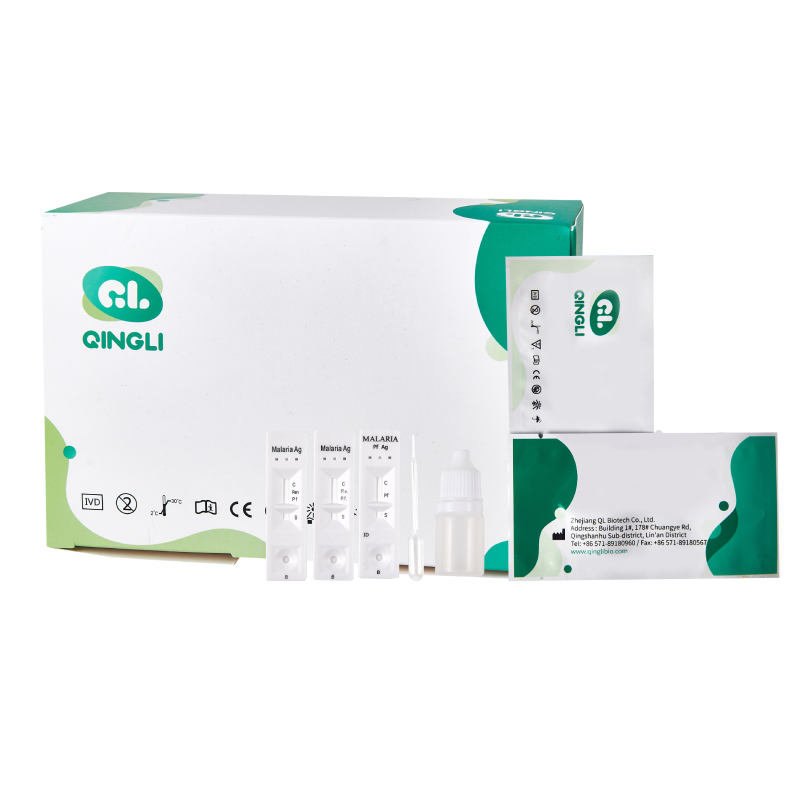
The Malaria PV/Pan test is a rapid diagnostic tool used to detect the presence of malaria parasites in human blood samples. Designed primarily to identify Plasmodium falciparum (PF) and Plasmodium vivax (PV), it also offers a pan-specific detection of other malaria species, hence the designation Pan. This test is crucial in regions where malaria is endemic, providing a swift method of diagnosis that can greatly aid in treatment and control efforts.
Functionality and Components of the Malaria PV/Pan Test
Mechanism of Action
The Malaria PV/Pan test operates on an immunochromatographic assay, where monoclonal antibodies are used to detect specific antigens present in the blood of infected individuals. The primary components of the test include dye-labeled antibodies that bind to malaria antigens, forming visible lines on a test strip, which delivers the result.
Plasmodium Species Detected by PV/Pan Test
Species-Specific and Pan Detection
While the test is highly effective in identifying Plasmodium falciparum through the detection of histidine-rich protein II (HRP2), and Plasmodium vivax through its specific antigens, it also includes a pan-malarial antigen line. This line is designed to detect the presence of other malaria species like Plasmodium malariae and Plasmodium ovale, though its efficacy for these species varies.
Sensitivity and Specificity of Malaria PV/Pan Test
Performance Metrics
The Malaria PV/Pan test is known for its high sensitivity and specificity for Plasmodium falciparum, with detection capabilities at parasite densities above 200 parasites/μL. However, its sensitivity decreases significantly at lower parasitemia levels or for other malaria species. The test results are generally available within 15 to 20 minutes, offering rapid diagnostics in field settings.
Limitations in Detecting Various Malaria Types
Challenges Beyond P. falciparum and P. vivax
One significant limitation of the Malaria PV/Pan test is its reduced sensitivity for detecting low-density infections and its inconsistent results for Plasmodium malariae and Plasmodium ovale. This limitation presents challenges in low-transmission settings where accurate identification of asymptomatic carriers is essential for elimination efforts.
Role of PV/Pan Test in Malaria-Endemic Regions
Applications and Impact
In malaria-endemic areas, the availability of the Malaria PV/Pan test has significantly impacted disease management. As an affordable and easy-to-use diagnostic tool, it supports healthcare providers in timely identification and treatment of malaria, reducing morbidity and mortality rates. However, reliance on this single diagnostic method can lead to challenges in comprehensive parasite detection.
Alternatives and Complementary Diagnostic Methods
Integrating Multiple Diagnostic Tools
To overcome the limitations of the Malaria PV/Pan test, complementary diagnostic methods such as polymerase chain reaction (PCR) and microscopy are often recommended. These methods provide higher sensitivity and specificity, especially in detecting low-density infections and differentiating between non-falciparum species. Utilizing multiple methods can enhance surveillance and control strategies.
Malaria Elimination and Monitoring Strategies
Comprehensive Approaches
As malaria transmission rates decline, the proportion of low-density infections in populations increases, necessitating robust monitoring strategies. A multifaceted approach that combines rapid diagnostic tests with higher-sensitivity techniques is essential. Regular performance monitoring through effective quality assurance ensures the reliability of diagnostic tools.
Future Developments in Malaria Diagnostics
Innovations and Improvements
Continuous advancements in technology are paving the way for the development of more sensitive and specific RDTs. The introduction of novel biomarkers and the enhancement of existing antigen-detection methods promise to improve diagnostic accuracy, especially for non-falciparum malaria species. Collaborations among suppliers, factories, and wholesalers are crucial in streamlining the production and distribution of these improved diagnostic kits.
Conclusion and Implications for Public Health
The Path Forward
The Malaria PV/Pan test continues to be a valuable tool in the fight against malaria, particularly in high-transmission areas. However, its limitations highlight the need for integrating comprehensive diagnostic strategies to achieve effective malaria control and eventual elimination. Stakeholders, including suppliers and manufacturers, play a key role in ensuring the availability and accessibility of reliable diagnostic tools.
QL Biotech Provide Solutions
At QL Biotech, we understand the critical need for accurate malaria diagnostics. We offer a range of innovative diagnostic solutions that complement the Malaria PV/Pan test, including advanced PCR testing kits and training for effective test implementation. By partnering with global suppliers and maintaining high production standards in our factories, we ensure that healthcare providers have access to the tools they need for effective disease management.
- Previous No more
- Next How quickly can malaria Pf test kits provide results?