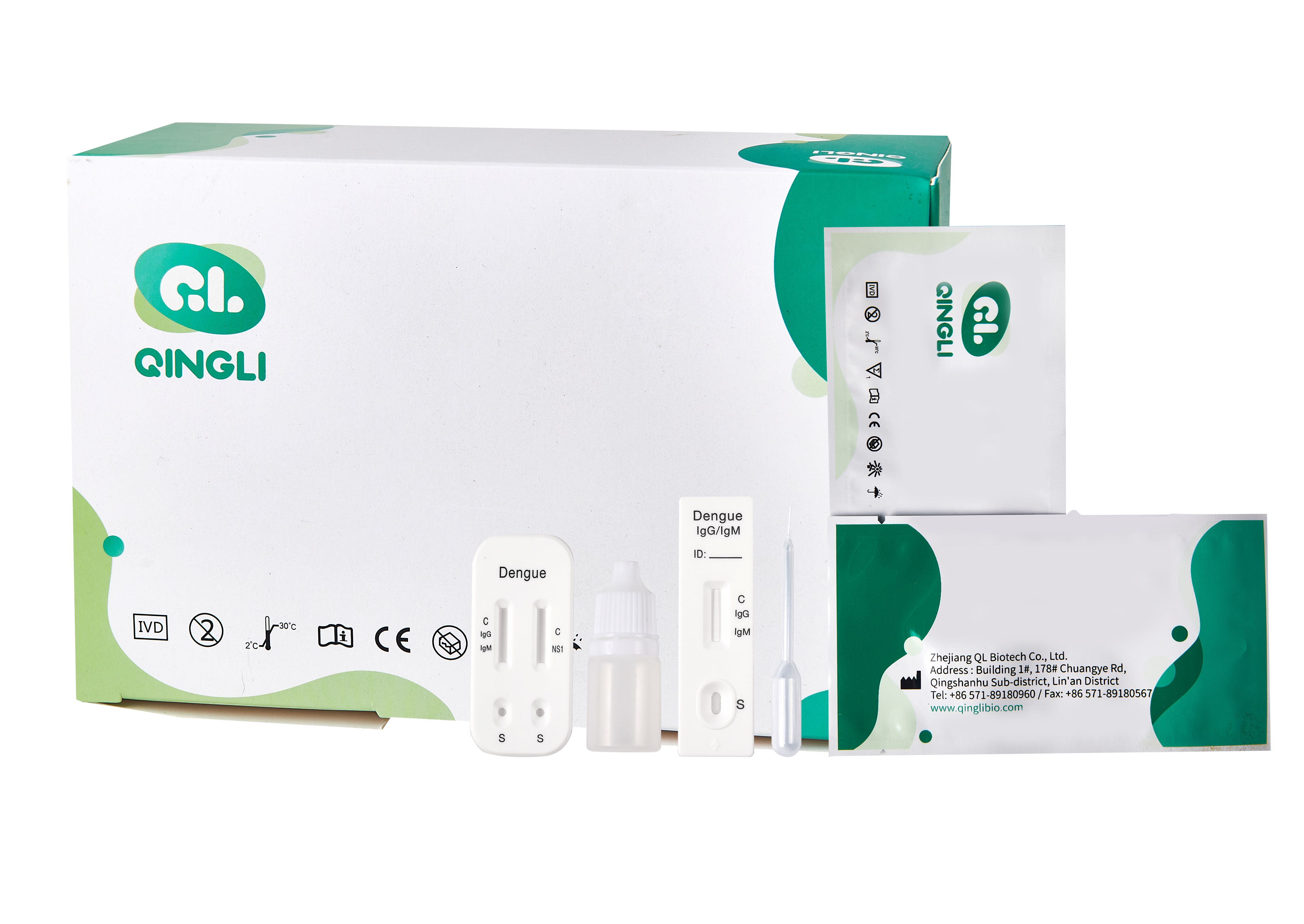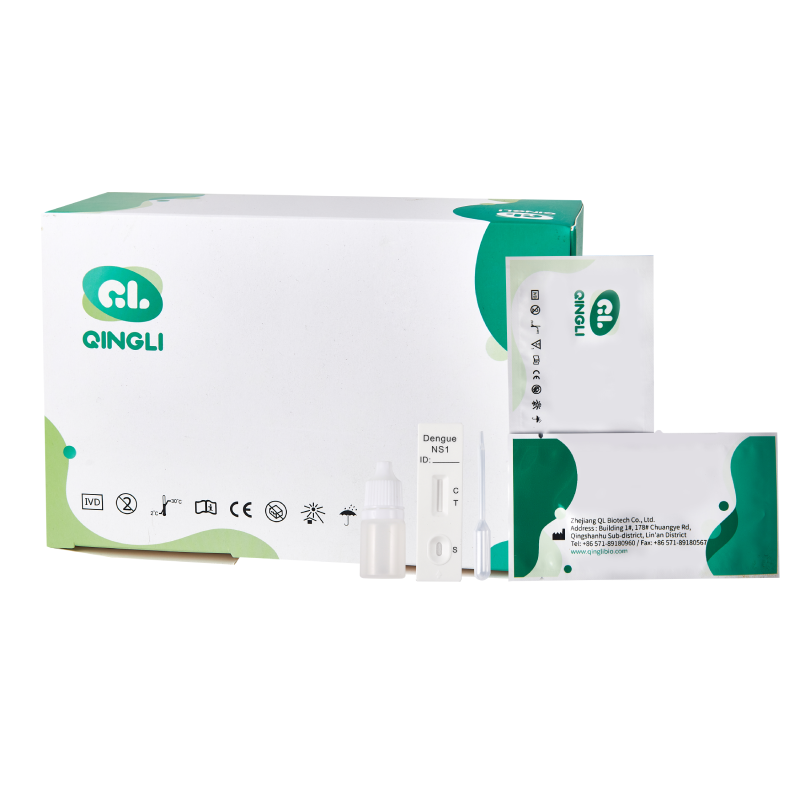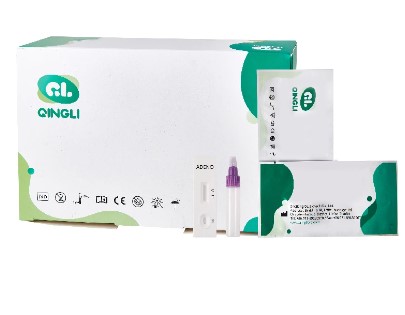

FAQ on Shipping Packaging and Customs for Dengue Home Kits
Worried your dengue home kit will arrive looking like it wrestled a hippo in customs, or get stuck in a maze of forms and mystery fees? You’re not alone—shipping medical stuff can feel like an obstacle course.
Our FAQ on packaging, labeling, and customs rules shows you exactly how to pack kits safely, avoid delays, and keep things legal, backed by WHO guidance on safe transport of diagnostics (WHO report).
📦 Standard packaging materials and protective measures for dengue home test kits
Dengue home test kits need strong, clean, and stable packaging to stay safe from shock, light, and moisture during transport and storage.
Good packaging protects each test device, keeps reagents sealed, and helps maintain accurate results even after long-distance shipping.
1. Primary packaging: What protects each test kit
Each dengue home kit uses primary packaging that directly holds the strip or cassette and reagents.
- Foil pouches with desiccant to control moisture
- Clearly printed labels for lot number and expiry date
- Sealed dropper bottles for buffer solution
- User-friendly instructions in simple language
2. Secondary packaging: Grouping and organizing products
Secondary packaging gathers multiple kits into one box for easier handling and safer shipping.
| Component | Function |
|---|---|
| Inner carton | Holds several individual test kits |
| Dividers | Reduce movement and friction |
| Label | Shows product type and quantity |
| Instruction leaflet | Explains storage and usage |
3. Outer cartons and protective filling
Outer cartons protect dengue kits from impact and pressure while in transit.
- Double-wall corrugated cartons for export shipments
- Foam or air pillows to absorb shock
- “Fragile” and “Keep Dry” markings for carriers
- Palletizing to prevent crushing and bending
4. Labelling, traceability, and safety marks
Clear labelling supports safe handling and faster customs clearance.
- Product name and intended use (IVD)
- Storage temperature range and humidity warnings
- Lot number and manufacturing date
- Compliance marks (CE, ISO, or local standards)
🚚 Typical shipping timelines and temperature considerations for dengue home kits
Shipping dengue home kits requires strict control of transit time and temperature to protect antibody and antigen stability.
Planning the route, season, and shipping mode helps reduce risk and keeps kits reliable on arrival.
1. Standard vs. express shipping times
Transit time affects how much protection the kits need in the shipping carton.
| Mode | Typical Timeline | Best Use |
|---|---|---|
| Express air | 3–7 days | Urgent or small orders |
| Standard air | 7–14 days | Regular replenishment |
| Sea freight | 20–45 days | Large, planned shipments |
2. Temperature ranges during shipping
Dengue kits are usually designed for 2–30°C, but real shipping conditions vary by region and season.
- Use insulated liners in hot or cold seasons
- Monitor expected temperatures along the route
- Select carriers with health-care logistics experience
3. Example data: transit time comparison
The chart below shows a typical comparison of average shipping days by mode for diagnostic kits, including dengue home tests.
4. Seasonal and regional shipping planning
Shippers should adjust packaging for hot, humid, or cold routes.
- Plan dispatch dates to avoid extreme heat waves
- Choose faster modes for tropical destinations
- Add data loggers for high-value clinical shipments
🌡️ Maintaining kit stability during transit and recommended storage upon arrival
Stable temperature and low moisture protect antibodies in dengue home kits and prevent false results.
Users should store kits correctly as soon as they receive them.
1. In‑transit stability controls
Proper controls reduce temperature swings during transport.
- Use insulated shippers for extreme climates
- Add gel packs only when validated by the manufacturer
- Seal cartons tightly to avoid moisture
2. Best storage practices at home or clinic
On arrival, users should follow the storage instructions on the box.
| Location | Recommendation |
|---|---|
| Temperature | Keep within the labeled range (often 2–30°C) |
| Light | Store away from direct sun and heat sources |
| Moisture | Keep dry; do not store in bathrooms |
| Handling | Do not freeze or place near freezers |
3. Shelf life checks and usage tips
Users should confirm that kits remain within shelf life and are unopened.
- Check expiry date before use
- Use the test soon after opening the foil pouch
- Discard damaged or wet packaging
🛃 Customs documentation, import restrictions, and clearance tips for dengue kits
Dengue test kits are medical devices and often require special customs documents and clear product descriptions.
Clear information reduces delays and helps protect product quality.
1. Key customs documents for dengue home kits
Most countries request basic trade and regulatory paperwork.
- Commercial invoice with HS code and product name
- Packing list with carton count and weights
- Certificate of origin where required
- IVD registration or free sale certificate in some markets
2. Understanding import controls and restrictions
Import rules differ for self‑testing kits and professional tests.
| Requirement | Possible Condition |
|---|---|
| Registration | Local device registration before sale |
| Label language | Must match local language rules |
| End user | Home use vs. hospital use limitations |
| Certification | Need CE, ISO, or local approval |
3. Practical tips to speed customs clearance
Shippers can prevent hold-ups with accurate data and early planning.
- Share product brochures and IFU with your broker
- Confirm HS code and IVD category with local customs
- Use clear labels such as “In Vitro Diagnostic Device”
- Provide temperature control details in advance
🧪 Choosing reliable dengue home kits and why QL biotech is recommended
Selecting a trusted manufacturer helps ensure accurate dengue results and smooth shipping, packaging, and customs handling worldwide.
Reliable brands also offer broad rapid test portfolios for related infections.
1. Key quality indicators for dengue home kits
Buyers should review quality data and certifications before placing orders.
- Sensitivity and specificity from clinical studies
- Compliance with ISO 13485 and relevant standards
- Clear IFU and home-use friendly design
- Validated stability data for long routes
2. Why many importers choose QL biotech
QL biotech focuses on reliable rapid tests with strong packaging and export experience.
- Robust production and quality control system
- Flexible packaging options for different markets
- Support on regulatory and customs paperwork
3. Related rapid tests that complement dengue screening
Many buyers bundle dengue kits with other infectious disease tests to save on shipping and customs costs.
- Rubella IgG/IgM Test for TORCH screening
- HBsAg Rapid Test Device/Strip for hepatitis B detection
- Typhoid IgG/IgM Rapid Test Device for typhoid fever evaluation
Conclusion
Strong packaging, correct shipping modes, and proper storage protect dengue home kits from damage and false results. Importers should plan temperature control and customs paperwork early to avoid delays.
Working with an experienced IVD supplier helps ensure stable quality, faster clearance, and better user experience for patients and healthcare providers worldwide.
Frequently Asked Questions about Home Use Dengue Igg/Igm Test Kit
1. What is a home use dengue IgG/IgM test kit?
It is a rapid test that checks a small blood sample for dengue IgG and IgM antibodies, helping indicate current or past infection at home.
2. Do dengue home kits need cold chain shipping?
Most dengue rapid tests are stable at 2–30°C and do not need full cold chain, but may require insulation in extreme climates.
3. How long can I store the kit after delivery?
You can store the kit until the expiry date if you keep it within the recommended temperature and away from moisture and direct sunlight.
4. Can I use the kit if the foil pouch is damaged?
No. If the pouch is torn, swollen, or wet, do not use the test, as moisture may affect accuracy.
5. Are dengue home kits accepted by all customs authorities?
Most countries allow import of IVD test kits, but some require local registration, special labeling, or licenses. Always check local rules before shipment.
- Previous No more
- Next Quality Standards and Certifications for Dengue Test Kits