
How long does it take to get results from a dengue test cassette?
Introduction to Dengue Test Cassette Timing
Dengue fever is a significant health concern in tropical and subtropical regions worldwide. The rise in dengue cases over the years has necessitated the development of rapid diagnostic tools. Dengue test cassettes, a crucial tool in this diagnostic repertoire, help efficiently manage and control outbreaks. Understanding the time required to obtain results from these test cassettes is vital for healthcare providers, especially in regions with limited access to laboratory facilities. This article explores the operational timeframe, focusing on the practical aspects of testing and the factors influencing the delivery of results.
Mechanism of Dengue Test Cassettes
Principle of Operation
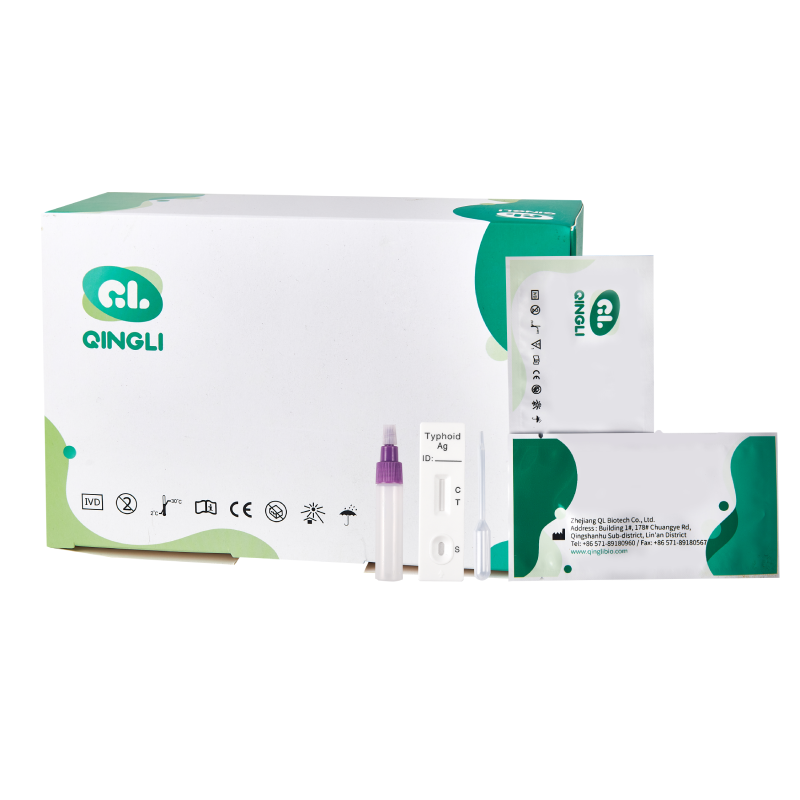
Dengue test cassettes employ immunochromatographic methods to detect dengue virus antigens and antibodies in human blood samples. These cassettes are designed to identify dengue NS1 antigen, IgM, and IgG antibodies. The test involves adding a sample to a specimen well, followed by a buffer to facilitate the reaction. A positive result is indicated by colored lines on the cassette, generally appearing within a 15 to 20-minute window. This method leverages the specificity of antigen-antibody interactions to provide reliable diagnostic outcomes.
Efficiency of Test Cassettes
The efficiency of a dengue test cassette lies in its rapidity and ease of use. Compared to traditional laboratory testing methods, which may take several hours to days, these cassettes deliver results in under an hour. Additionally, the cassettes are user-friendly, requiring minimal technical expertise, making them ideal for point-of-care testing in resource-limited settings.
Effect of Storage Conditions on Test Results
Temperature and Test Accuracy
The accuracy of dengue test cassettes can be affected by storage conditions. Studies indicate that prolonged exposure to high temperatures may impact the test's sensitivity and specificity. Tests stored at varying temperatures of 4°C to 35°C demonstrated differing levels of accuracy. The NS1 antigen detection generally maintained high accuracy across various storage conditions, while IgM and IgG antibody tests showed reduced positive percent agreements when stored at higher temperatures.
Implications for Suppliers and Wholesale Distributors
For suppliers and distributors involved in the wholesale of dengue test cassettes, ensuring proper storage conditions is crucial. Adhering to recommended storage guidelines is essential to maintain the integrity and performance of the test kits, particularly for bulk supplies destined for tropical regions.
Timeframe for Obtaining Results
Rapid Results in Clinical Settings
The timeframe for obtaining results from dengue test cassettes is a critical factor in clinical decision-making. Typically, results are available within 15 to 20 minutes after sample application. This rapid turnaround time allows healthcare providers to make timely decisions regarding patient management and treatment, which is particularly important during outbreaks.
Comparative Analysis with Laboratory Methods
Compared to laboratory-based methods such as ELISA, which may take several hours or even days, dengue test cassettes offer a significant advantage in speed. In emergency situations or during outbreaks, quick diagnosis is paramount. Hence, rapid test cassettes are preferred in many clinical settings, providing an efficient alternative while maintaining reasonable accuracy.
Specificity and Sensitivity of Dengue Tests
Performance Metrics
Dengue test cassettes are designed to deliver high specificity and sensitivity. With a sensitivity range often exceeding 80% for NS1 antigen detection, these tests are highly reliable for acute dengue diagnosis. However, it's important for healthcare providers to understand that variations in performance can occur based on the timing of sample collection relative to symptom onset.
Improving Accuracy Through Best Practices
Ensuring accuracy in results requires adherence to testing protocols and proper handling of test materials. Factory guidelines on storage and usage should be meticulously followed by healthcare facilities to optimize test performance. Manufacturers continue to refine these assays to improve specificity and sensitivity further, highlighting the importance of supplier compliance with manufacturing standards.
Field Application in Resource-Limited Areas
Challenges and Opportunities
In resource-limited areas, dengue test cassettes offer significant advantages due to their portability and minimal requirement for specialized equipment. This makes them an invaluable tool for healthcare workers operating in remote regions. Their ease of use and rapid results facilitate timely patient care and disease management, addressing some of the challenges posed by limited laboratory infrastructure.
Role of Suppliers in Field Utilization
Suppliers play a crucial role in ensuring the availability of quality dengue test cassettes in hard-to-reach areas. Factory and wholesale logistics need to be strategically managed to maintain a steady supply chain, even in the most challenging environments. Effective collaboration between suppliers and healthcare systems can enhance the delivery and utility of these diagnostic tools.
Influence of Pre-existing Conditions on Test Outcomes
Factors Affecting Test Results
Pre-existing medical conditions can influence the results of dengue test cassettes. Patients with previous dengue infections or other arbovirus infections may exhibit cross-reactivity, potentially affecting test outcomes. Additionally, immune-compromised individuals may display atypical antibody responses, necessitating careful interpretation by healthcare providers.
Implications for Healthcare Providers
Understanding these influencing factors is essential for healthcare providers to accurately interpret test results. In cases of ambiguity or unexpected results, further testing or expert consultation may be required. Providers must remain vigilant and consider the patient's medical history when using rapid diagnostic tests.
Comparative Analysis with Other Diagnostic Methods
Advantages Over Traditional Methods
While traditional laboratory methods such as PCR and ELISA provide high accuracy, their extended processing time and requirement for specialized equipment limit their use in urgent scenarios. Dengue test cassettes, with their rapid results and ease of use, offer a practical alternative, particularly in field settings.
Future Directions for Diagnostic Improvements
Continuous advancements in diagnostic technologies aim to enhance the accuracy and reliability of dengue test cassettes. Research focuses on improving the detection of early infections and differentiating between dengue and other similar infections. Suppliers are encouraged to stay abreast of these technological developments to maintain competitive advantages in the market.
Role of Rapid Testing in Disease Management
Impact on Public Health Strategies
Rapid diagnostic tests, including dengue test cassettes, have revolutionized public health strategies for disease management, enabling swift identification and treatment of dengue cases. This rapid identification plays a crucial role in controlling outbreaks and preventing widespread transmission, particularly in densely populated areas.
Integration into Healthcare Systems
For effective integration into healthcare systems, coordination between manufacturers, suppliers, and healthcare institutions is vital. Ensuring widespread availability and accessibility of test cassettes can significantly enhance the response to dengue outbreaks and contribute to better health outcomes in affected regions.
Conclusion: Promising Outlook for Rapid Tests
Dengue test cassettes, with their rapid results and ease of use, represent a key component in the global strategy against dengue fever. Despite challenges related to storage and environmental conditions, their utility in clinical and field settings remains unparalleled. Continued innovation and adherence to best practices will further enhance their role in tackling dengue outbreaks worldwide.
QL Biotech Provides Solutions
QL Biotech offers reliable diagnostic solutions, including dengue test cassettes, tailored to meet the demands of diverse healthcare settings. Our products are designed to maintain high accuracy even under challenging conditions, providing healthcare providers with dependable tools for effective disease management. Partnering with QL Biotech ensures access to innovative diagnostic technologies, supported by a robust supply chain that guarantees timely delivery and sustained quality.
- Previous No more
- Next What is the detection time for the Influenza A+B COVID RSV COMBO RAPID TEST?