
Rapid Diagnostic Methods for Rubella: An In-depth Analysis
Rubella, commonly known as German measles, is a contagious viral infection that is of particular concern globally due to its potential to cause significant health issues, especially in pregnant women. Rapid diagnostic methods for rubella are crucial for timely intervention and management. This article explores the rapid methods for diagnosing rubella, focusing on lateral flow immunoassays, and provides insights into the technology, application, and its significance in global health.
Introduction to Rapid Diagnostic Methods for Rubella
● Overview of Rubella and Its Significance
Rubella is an acute, contagious disease caused by the rubella virus. It's generally mild in children but poses serious risks to unborn children if a pregnant woman contracts the virus, potentially leading to congenital rubella syndrome (CRS). Given the contagious nature and the health implications associated with rubella, rapid diagnosis is critical in controlling outbreaks and protecting vulnerable populations.
● Importance of Rapid Diagnostics in Managing Rubella Outbreaks
The ability to rapidly diagnose rubella can significantly impact public health responses. Quick diagnosis facilitates early isolation of infected individuals, prevents the spread of the virus, and helps in making timely medical decisions. With the rapid methods available, healthcare providers can quickly confirm infections and manage them effectively to reduce the risk of widespread outbreaks.
Understanding Lateral Flow Immunoassays
● Explanation of the Lateral Flow Immunoassay Technique
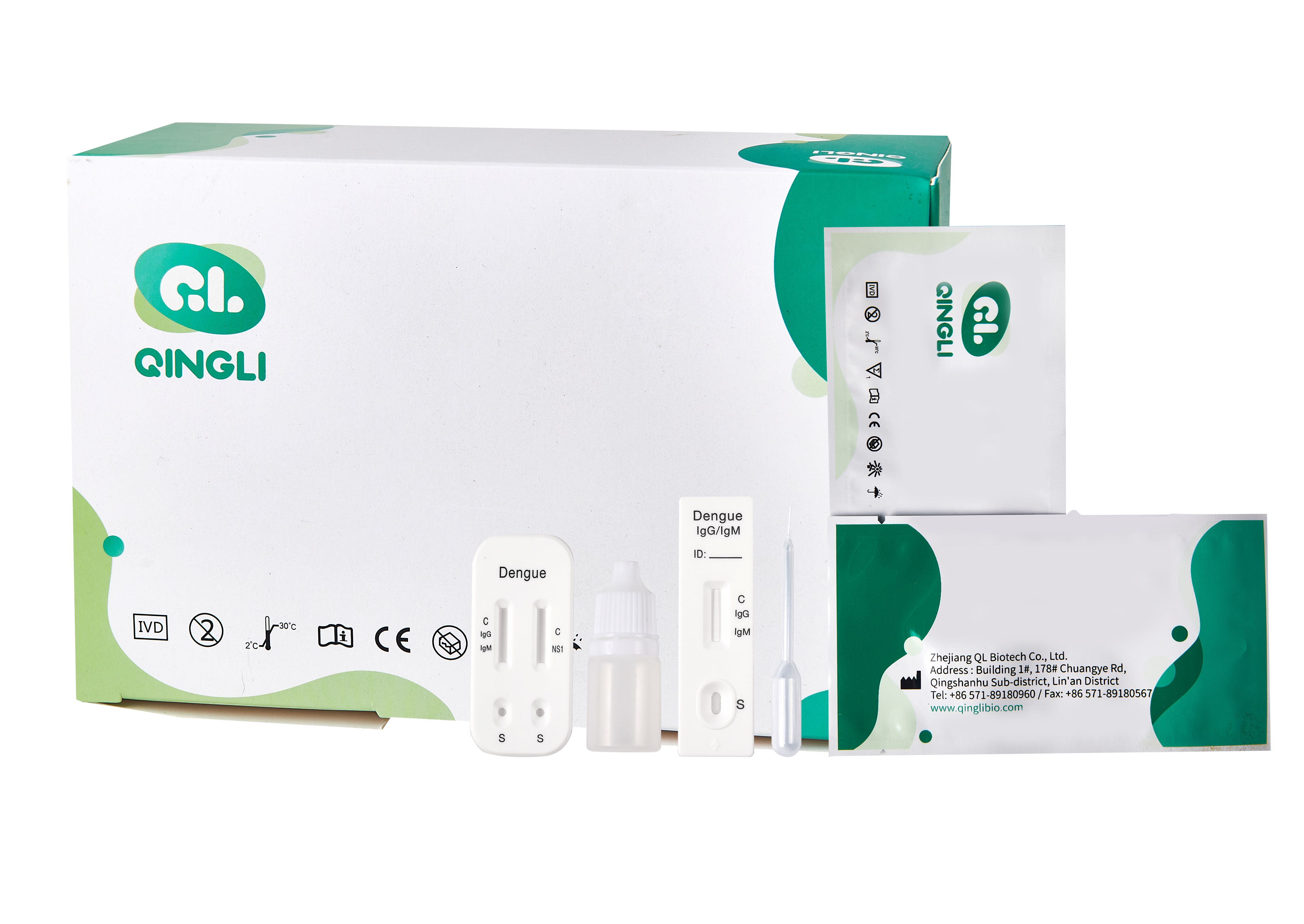
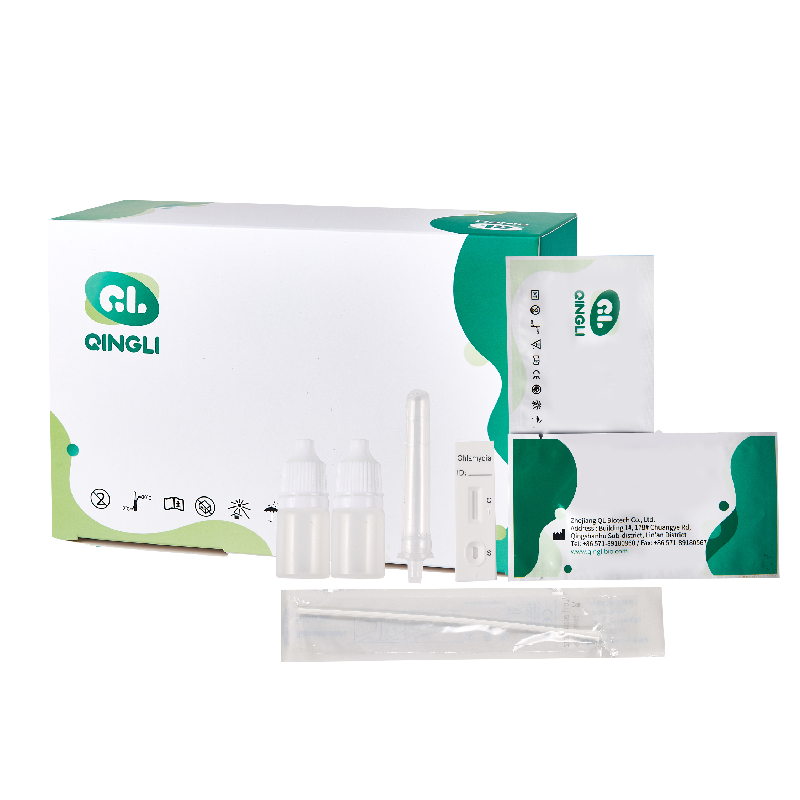
Lateral flow immunoassays are a type of rapid test technology commonly used for the detection of specific antibodies or antigens. The Rubella IgM Rapid Test, for example, utilizes this technology to detect rubella-specific IgM antibodies in a patient's sample. The test involves a strip or cassette that contains rubella virus-specific antigens. When a sample is applied, any antibodies present bind to these antigens, resulting in a visible line that indicates a positive result.
● How It Detects Rubella Virus Antibodies
The primary function of the lateral flow immunoassay is to detect the presence of IgM and IgG antibodies. IgM antibodies are typically the first to appear after infection, indicating a recent exposure, while IgG antibodies suggest past infection or vaccination. The rapid detection of IgM antibodies is essential for identifying current infections and managing potential outbreaks.
Role of IgG and IgM Antibodies in Rubella Detection
● Explanation of IgM as an Early Infection Marker
In the context of rubella, IgM antibodies are crucial markers for recent infections. These antibodies appear shortly after infection onset, making them ideal for early diagnosis. The presence of IgM antibodies in a patient's blood sample via a Rubella IgM Rapid Test indicates that the individual has recently contracted the virus, enabling healthcare providers to take necessary actions promptly.
● Importance of IgG Antibodies in Indicating Immunity
While IgM antibodies are critical for diagnosing current infections, IgG antibodies play a significant role in determining immunity. The presence of IgG antibodies indicates previous exposure to the virus, either through infection or vaccination. This information is vital for assessing immunity in populations and guiding immunization strategies.
Advantages of Rapid Results in Rubella Testing
● Benefits of Obtaining Quick Test Results
One of the most significant advantages of rapid diagnostic methods such as the Rubella IgM Rapid Test is the ability to obtain results within minutes. This swift turnaround time is invaluable in medical settings where timely decision-making is crucial. Quick results facilitate immediate action, reducing the risk of disease transmission and improving patient outcomes.
● Impact on Patient Care and Public Health Response
Rapid results not only enhance individual patient care but also strengthen public health responses. They allow health authorities to quickly identify and respond to rubella outbreaks, allocate resources efficiently, and implement control measures to prevent further spread. In scenarios where rubella can lead to severe complications, especially in pregnant women, rapid diagnostics are a vital tool in safeguarding public health.
Point-of-Care Testing: Convenience and Accessibility
● Discuss the Portability of These Tests
Point-of-care testing, such as the Rubella IgM Rapid Test, can be conducted near the patient or even at their bedside, offering unparalleled convenience. The portability of these tests makes them suitable for various settings, including hospitals, clinics, and remote locations. This adaptability ensures that even in areas with limited laboratory infrastructure, rubella testing remains accessible.
● How Point-of-Care Testing Enhances Rapid Diagnosis
The nature of point-of-care testing eliminates the need for complex laboratory equipment and highly trained personnel. As a result, these tests can be administered quickly and easily, leading to faster diagnosis and treatment initiation. This immediacy is particularly beneficial in resource-limited settings, where access to laboratory facilities may be restricted.
Accuracy and Reliability of Lateral Flow Immunoassays
● Examine the Test's Sensitivity and Specificity
The reliability of lateral flow immunoassays, including the Rubella IgM Rapid Test, is determined by their sensitivity and specificity. Sensitivity refers to the test's ability to correctly identify those with the infection, while specificity is its ability to correctly identify those without it. High sensitivity and specificity are critical for minimizing false results and ensuring accurate diagnostics.
● Address Potential Limitations and Challenges
Despite their advantages, lateral flow immunoassays may have limitations, such as variability in test accuracy due to user error or environmental factors. False positives or negatives can occur, necessitating confirmatory testing in some cases. Continuous advancements in test design and manufacturing aim to address these challenges and enhance overall test performance.
Comparing Lateral Flow to Other Diagnostic Methods
● Contrast with Traditional Lab-based Methods
Traditional laboratory methods for diagnosing rubella, such as enzyme-linked immunosorbent assays (ELISA) or polymerase chain reaction (PCR), are highly accurate but often require longer processing times and advanced laboratory infrastructure. In contrast, lateral flow immunoassays offer rapid results and ease of use, making them more suitable for point-of-care applications.
● Benefits and Drawbacks of Each Approach
While traditional lab-based methods provide high accuracy and are useful for confirmatory testing, they may not be feasible in all settings due to resource constraints. Lateral flow tests, like the Rubella IgM Rapid Test, provide immediate results and are more accessible but may require follow-up testing in cases of ambiguous results. Both methods have their place in comprehensive rubella diagnostics.
Implementation in Clinical Settings
● How These Tests Fit into Current Healthcare Workflows
Integrating the Rubella IgM Rapid Test into clinical workflows can enhance diagnostic efficiency. These tests can be administered during routine patient assessments, streamlining the diagnostic process without causing significant disruptions. This integration supports timely clinical decision-making and improves patient management.
● Training and Support for Medical Professionals
To maximize the effectiveness of rapid diagnostic tests, healthcare professionals require adequate training and support. Proper instruction on test administration and interpretation is essential to ensure accurate results. Manufacturers and suppliers play a crucial role in providing training resources and customer support to healthcare providers.
Global Impact and Accessibility
● The Role of Rapid Diagnostics in Developing Countries
In developing countries, where healthcare resources may be limited, rapid diagnostics like the Rubella IgM Rapid Test are particularly valuable. They enable healthcare providers to quickly diagnose and manage rubella, curtailing outbreaks and reducing the burden on healthcare systems. Efforts to improve the availability and affordability of these tests are critical for enhancing global health outcomes.
● Efforts to Make These Tests Widely Available
Manufacturers and suppliers are working to increase the production and distribution of rapid tests to ensure they reach underserved regions. Wholesale Rubella IgM Rapid Test providers and Rubella IgM Rapid Test manufacturers play a pivotal role in addressing supply chain challenges and expanding access to these essential diagnostic tools.
Future Developments in Rubella Diagnostics
● Innovations in Rapid Testing Technologies
The field of rapid diagnostics is continually evolving, with ongoing research and development aimed at improving test accuracy, reducing costs, and enhancing user-friendliness. Emerging technologies hold the promise of even faster and more reliable rubella diagnostics, further strengthening public health responses.
● Potential Improvements in Speed and Accuracy
Future advancements could lead to the development of multiplexed testing platforms, allowing for the simultaneous detection of multiple pathogens. Such innovations would improve diagnostic efficiency and expand the capabilities of current testing methodologies.
Conclusion
The rapid diagnosis of rubella plays a vital role in controlling and managing infections, especially in vulnerable populations. Lateral flow immunoassays, such as the Rubella IgM Rapid Test, offer a practical solution for quick and effective diagnostics. By enabling healthcare providers to respond swiftly to potential outbreaks, these tests contribute significantly to global health efforts.
About QL biotech
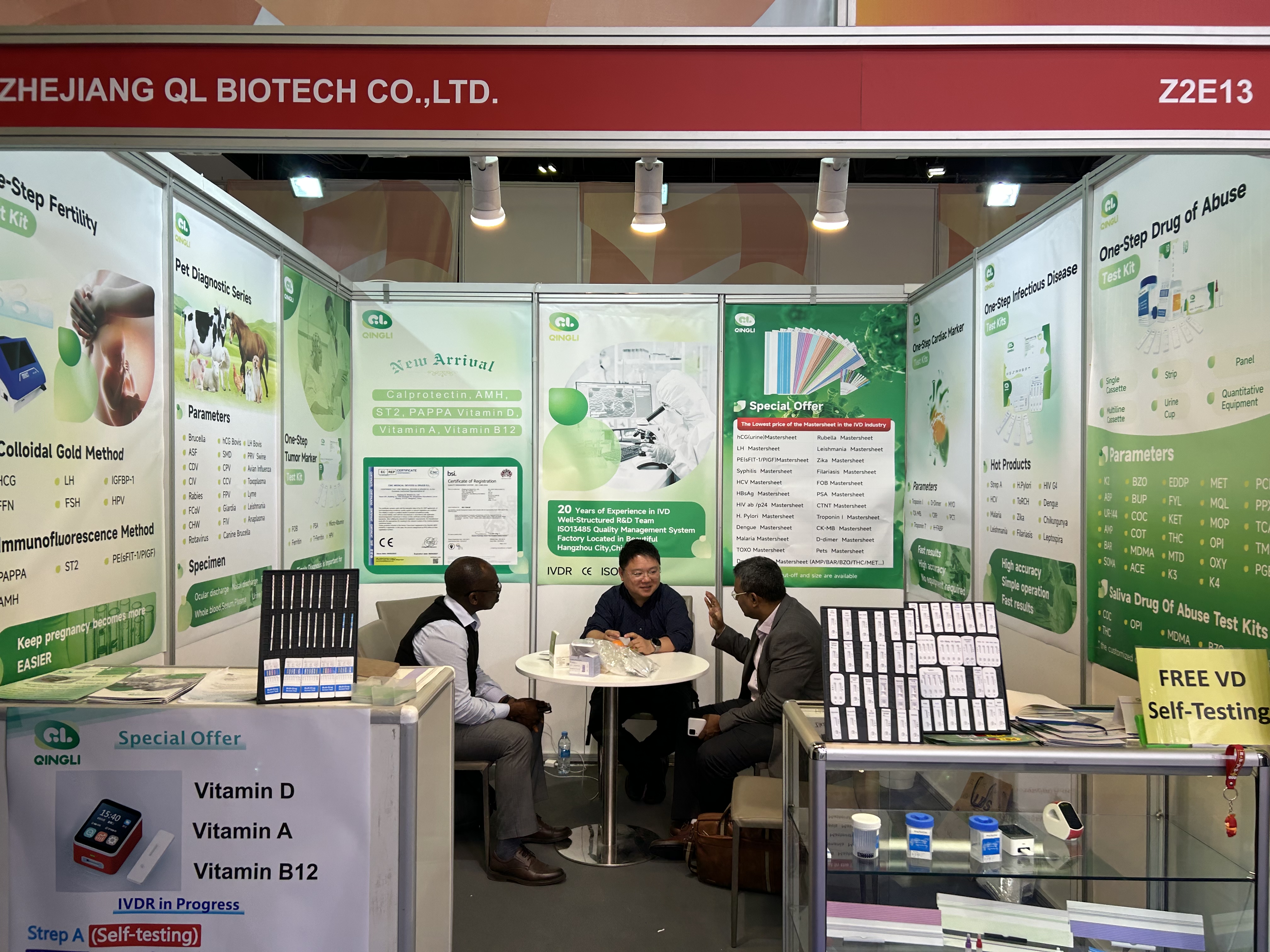
Zhejiang QL Biotech Co., Ltd is a leader in the research and production of diagnostic reagents, with over 20 years of experience in the in vitro diagnostics (IVD) industry. The company's product portfolio includes infectious disease products, cardiac marker detection products, DOA products, and tumor marker products. QL Biotech is guided by core values of integrity, commitment, respect, openness to change, and passion, ensuring reliable and innovative solutions for the healthcare industry.