
What are the tests for malaria?
Introduction to Malaria Testing
Malaria is a life-threatening disease caused by Plasmodium parasites, transmitted to humans through the bites of infected Anopheles mosquitoes. Effective and timely diagnosis is crucial in managing and treating malaria, thus reducing morbidity and mortality rates. This article explores the various tests used to diagnose malaria, detailing their methodologies, applications, and importance.
Clinical Features of Malaria
● Common Symptoms: Fever, Chills, Sweats
Malaria usually presents with a variety of symptoms which may include fever, chills, sweats, headaches, myalgia, vomiting, diarrhea, and cough. These manifestations are often nonspecific and can resemble other febrile illnesses, making clinical diagnosis challenging. Early detection is essential to prevent complications and severe outcomes.
● Travel History and Risk Factors
A detailed travel history is critical in assessing the likelihood of malaria. Factors such as the country of travel, specific regions within the country, duration of stay, and activities engage are important. Individuals returning from endemic areas, particularly those visiting friends and relatives, are at higher risk compared to tourists.
Initial Assessment and History Taking
● Travel History Specifics (Countries Visited, Dates)
In assessing a suspected malaria case, documentation of the travel history is indispensable. Questions should include the specific countries and regions visited, stopovers, dates of travel and return, and whether malaria-endemic areas were visited. This information helps healthcare providers to gauge the probability of malaria exposure.
● Symptoms Onset and Severity
Healthcare professionals should inquire about the onset, duration, and severity of symptoms. The timing of symptom appearance post-travel often aids in differentiating malaria from other febrile illnesses. Noting the pattern of fever, which can be periodic, is particularly significant in malaria cases.
Differential Diagnoses
● Distinguishing Malaria from Other Febrile Illnesses
Given the nonspecific nature of malaria symptoms, it is imperative to consider and rule out other potential diagnoses such as dengue fever, typhoid, or other viral infections. Differential diagnosis involves recognizing the clinical nuances that distinguish malaria from other tropical diseases.
● Isolation Protocols for Suspected VHF
In cases where viral hemorrhagic fevers (VHF) like Ebola or Lassa fever are a consideration, immediate isolation and adherence to Public Health England guidelines are necessary. These precautions minimize the risk of transmission of highly infectious diseases.
Preventative Measures and Their Impact
● Role of Malaria Chemoprophylaxis
Chemoprophylaxis involves the use of antimalarial drugs to prevent infection in travelers to endemic areas. While effective, it is not foolproof. Variability in drug adherence, parasite resistance, and individual health status can influence prophylaxis efficacy.
● Use of Insect Repellent and Bednets
Preventative measures extend beyond medication to include behavioral practices such as using insect repellent and insecticide-treated bednets. These measures significantly reduce the risk of mosquito bites, thereby lowering malaria incidence.
Examination and Vital Signs Check
● Signs of Severe Malaria (Impairment, Jaundice)
Physical examination should focus on identifying signs indicative of severe malaria. Symptoms may include impaired consciousness, confusion, jaundice, respiratory distress, and hypotension.
● Vital Signs: Blood Pressure, Pulse, Temperature
Monitoring vital signs such as blood pressure, pulse rate, respiration rate, temperature, and oxygen saturation is paramount. Fever may not always be present, so other indicators must be closely observed.
Laboratory Testing Methods
● Blood Films: Thick and Thin Smear Microscopy
The gold standard for diagnosing malaria is microscopic examination of blood films. Thick smears increase the likelihood of detecting parasites, while thin smears aid in identifying the Plasmodium species and determining parasite density.
● Rapid Diagnostic Tests and Their Limitations
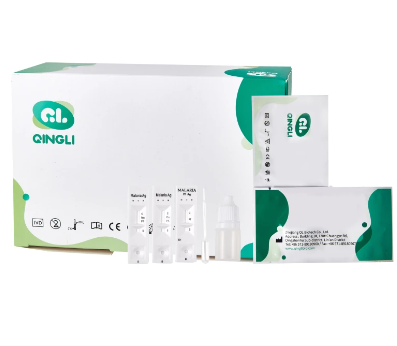
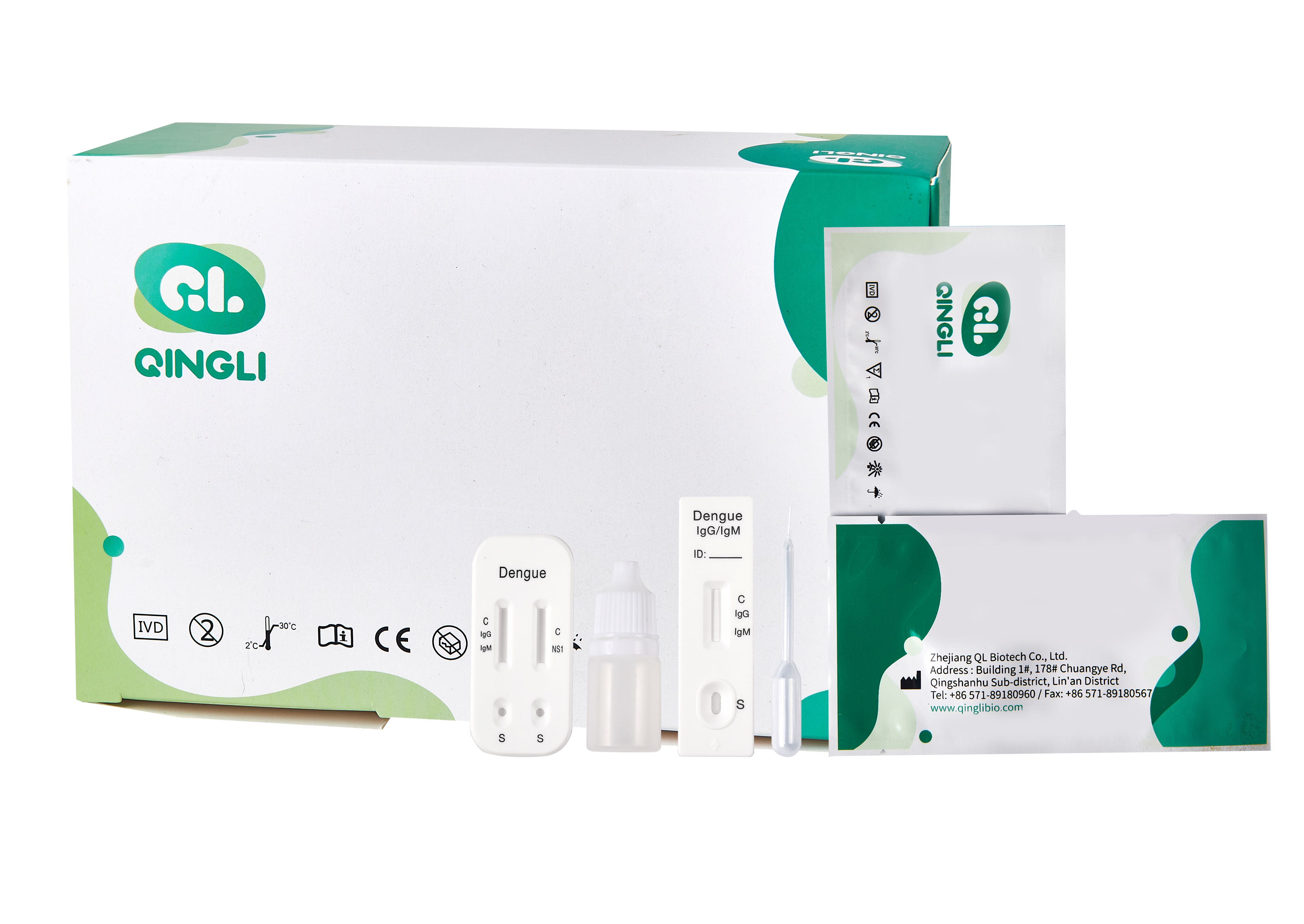
Rapid diagnostic tests (RDTs) are valuable, especially in resource-limited settings, as they detect malaria antigens. However, they have lower sensitivity and specificity compared to microscopy, particularly for non-falciparum species.
Referral to Secondary Care
● Situations Requiring Immediate Referral
Most cases of suspected malaria should be referred to secondary care for comprehensive evaluation and testing. This is crucial in settings where rapid diagnostic capabilities are limited.
● Role of Infectious Disease Specialists
Collaboration with infectious disease specialists ensures a thorough assessment and appropriate management plan. Specialists play a vital role in advising on further diagnostic approaches and treatment regimens.
Repeat Testing Protocols
● Importance of Consecutive Negative Tests
A negative test result does not immediately rule out malaria. Given the potential for low parasite densities during early infection stages, repeat testing at intervals of 12-24 hours over 48 hours is recommended.
● Guidelines for Follow-Up Testing Intervals
National and international guidelines recommend follow-up tests to confirm or exclude malaria. Adhering to these protocols reduces the likelihood of false negatives and ensures accurate diagnosis.
Conclusion and Recommendations
Effective diagnosis of malaria involves a combination of clinical assessment, history-taking, and laboratory testing. Given the complexities and potential severity of the disease, healthcare providers must employ a methodical approach to ensure timely and accurate detection. Adherence to established guidelines and collaboration with specialists are fundamental to improving patient outcomes.
● Introduction of QL biotech
Zhejiang QL Biotech Co., Ltd., a leader in the field of diagnostic reagents, boasts over 20 years of expertise in the IVD industry. QL biotech specializes in producing and researching innovative products for infectious diseases, cardiac markers, DOA, and tumor markers. Guided by core values of integrity, commitment, respect, openness to change, and passion, QL biotech is dedicated to enhancing everyday life through reliable and advanced diagnostic solutions.