
What is the difference between HBsAg and anti-HBs?
Understanding HBsAg: Marker of HBV Infection
Role of HBsAg in Hepatitis B Diagnosis
Hepatitis B surface antigen (HBsAg) serves as a critical marker for diagnosing Hepatitis B virus (HBV) infection. Its presence indicates either acute or chronic infection, and it is commonly found in a patient's serum. Manufacturers play a crucial role in developing sensitive assays for detecting HBsAg, which aids healthcare providers in timely diagnosis and management of HBV.
Quantitative and Qualitative Testing for HBsAg
Testing for HBsAg involves both qualitative and quantitative assays. Qualitative tests determine the presence of the antigen, while quantitative tests provide information about the concentration of HBsAg in the blood. The development and production of these tests rely heavily on suppliers of laboratory equipment and reagents to ensure accuracy and reliability.
Decoding Anti-HBs: The Protective Antibody
Function and Significance of Anti-HBs
Anti-HBs, or hepatitis B surface antibody, is a protective antibody emerging after recovery from an HBV infection or vaccination. It signifies immunity to the virus. Factories involved in the production of vaccines contribute significantly to public health by ensuring the widespread availability of vaccinations, which stimulate anti-HBs production in the population.
Measuring Immunity through Anti-HBs Levels
The concentration of anti-HBs in the blood indicates the level of immunity. A concentration of ≥10 mIU/mL is generally considered protective. Suppliers of laboratory tests enable precise measurement of these levels, assisting in evaluating an individual's immune response to infection or vaccination.
Seroconversion: Transition from HBsAg to Anti-HBs
Mechanisms Underlying Seroconversion
Seroconversion from HBsAg to anti-HBs marks the transition from infection to immunity. This process occurs naturally after infection clearance or through vaccination. It is crucial for healthcare providers to monitor this transition, and this monitoring is supported by manufacturers of diagnostic kits designed to distinguish between different serological stages.
Clinical Implications of Successful Seroconversion
Successful seroconversion is associated with a reduced risk of liver disease progression. Health practitioners rely on these indicators to evaluate treatment outcomes and decide on further interventions, highlighting the significant role of suppliers in providing accurate diagnostic tools.
The Rare Coexistence of HBsAg and Anti-HBs
Understanding the Coexistence Phenomenon
The rare coexistence of HBsAg and anti-HBs challenges traditional serological patterns. This condition is indicative of a complex immune interaction and can occur due to various factors, including viral mutations. The manifestation of this coexistence requires high-sensitivity assays provided by diagnostic manufacturers.
Clinical Challenges and Considerations
The simultaneous presence of both markers complicates the clinical picture, often requiring additional investigation. Healthcare providers must remain cautious, as this coexistence can be associated with an increased risk of adverse liver conditions, necessitating precise diagnostic support from suppliers.
Factors Influencing Coexistence of HBsAg and Anti-HBs
Genetic and Immune System Influences
Genetic factors and the immune status of individuals significantly influence the coexistence of HBsAg and anti-HBs. Research indicates that mutations in the viral genome can alter the typical serological response, demanding innovative solutions from diagnostic manufacturers.
Impact of Antiviral Therapy
Antiviral therapies may also contribute to HBsAg/anti-HBs coexistence. The factories that produce these medications must consider the potential for such outcomes, as these products play a significant role in the management and treatment of HBV.
Clinical Implications of HBsAg/Anti-HBs Coexistence
Risk Assessment and Management
Patients with HBsAg/anti-HBs coexistence have an increased risk of liver complications, including hepatocellular carcinoma. Healthcare providers must assess these risks carefully, and this requires reliable diagnostic information supplied by test manufacturers.
Strategies for Monitoring and Treatment
Continuous monitoring and personalized treatment strategies are crucial for managing patients with this serological pattern. Manufacturers of diagnostic assays enable healthcare practitioners to make informed decisions based on accurate and timely data.
Impact of Vaccination on HBsAg/Anti-HBs Patterns
Vaccination and Serological Patterns
Widespread vaccination efforts have altered the epidemiology of HBV, leading to changes in serological patterns, including the coexistence of HBsAg and anti-HBs. Factories producing vaccines are central to these public health initiatives, ensuring the distribution and availability of effective vaccines.
Evaluating Vaccine Efficacy and Safety
The coexistence of HBsAg and anti-HBs raises questions about vaccine effectiveness. Ongoing evaluation of vaccine performance, supported by reliable data from diagnostics suppliers, is essential to maintaining public confidence and health security.
Diagnostic Methods for HBsAg and Anti-HBs Detection
Innovations in Testing Technology
Advancements in diagnostic technology, driven by manufacturers, have improved the sensitivity and specificity of HBsAg and anti-HBs detection. These innovations allow for better disease management and early intervention strategies.
Challenges in Accurate Detection
Despite technological progress, challenges remain in accurately detecting these markers. Suppliers continue to develop new methodologies to address these challenges, ensuring healthcare providers have access to the best diagnostic tools available.
HBsAg/Anti-HBs in Antiviral Therapy and Outcomes
Therapeutic Interventions and Coexistence
Antiviral therapies can affect the serological profile of HBV-infected patients. The role of manufacturers in producing effective therapies is crucial for achieving favorable outcomes and managing the coexistence of HBsAg and anti-HBs.
Evaluating Treatment Impact and Success
Continuous assessment of treatment efficacy is necessary to evaluate its impact on serological patterns. Reliable data from diagnostic suppliers guide healthcare providers in modifying treatment plans for better patient outcomes.
Future Perspectives on HBsAg and Anti-HBs Coexistence
Research Directions and Innovations
Future research will likely focus on understanding the molecular mechanisms behind HBsAg/anti-HBs coexistence. Manufacturers and suppliers are expected to continue their efforts in developing innovative diagnostic and therapeutic solutions to address these challenges.
Public Health Implications
The impact of HBsAg and anti-HBs coexistence on public health is significant, necessitating ongoing surveillance and adaptation of vaccination and treatment strategies. Factories involved in vaccine production will continue to play a pivotal role in shaping the future landscape of HBV management.
QL Biotech Provide Solutions
QL Biotech offers comprehensive solutions for understanding and managing HBV infections. Our advanced diagnostic tools and therapeutic options are designed to address the complex serological patterns of HBsAg and anti-HBs, ensuring accurate diagnoses and effective treatment strategies. As a trusted supplier in the field, QL Biotech is committed to supporting healthcare providers with cutting-edge technology and reliable data, enhancing patient care and public health outcomes worldwide.
User hot search: Hbsag Hepatitis B Surface Antigen Test Strip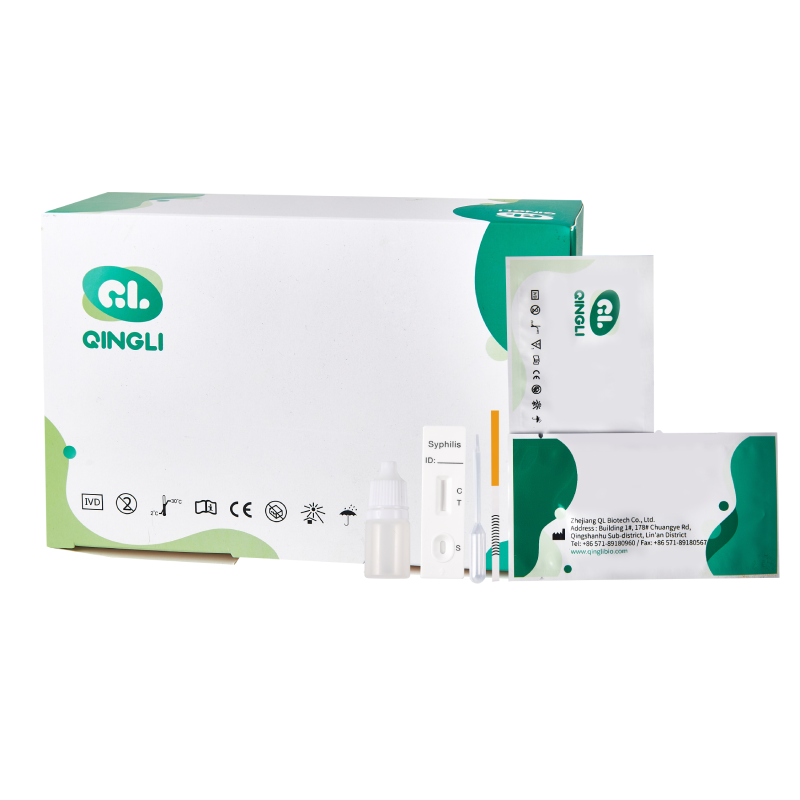
- Previous No more
- Next How long does it take to get results from a CRP rapid test?