
Are there any preparation requirements before taking a rapid syphilis test?
Understanding the Rapid Syphilis Test
A rapid syphilis test is designed to quickly detect the presence of syphilis antibodies in the bloodstream. It is a crucial tool in the early diagnosis of this serious sexually transmitted infection (STI). The rapid syphilis test is a point-of-care test, meaning it can be carried out directly in the clinic and provides quick results. Understanding the test, its process, and its significance can aid individuals and healthcare providers in diagnosing and controlling syphilis effectively.
The Role of Rapid Testing in Syphilis Control
Rapid testing plays a significant role in the control of syphilis. It enables healthcare providers to diagnose the infection early, hence facilitating prompt treatment and reducing the risk of transmission. As a wholesale approach in STI management, this rapid test is instrumental in public health strategies targeting high-prevalence areas where conventional laboratory tests may not be feasible.
Importance of Early Detection in Syphilis
Early detection of syphilis is critical in preventing the progression of the disease and its complications. Syphilis is known to proceed through distinct stages, with the later stages resulting in systemic damage that can be irreversible. Identifying the infection in its primary or secondary stage ensures timely intervention and treatment.
Preventing Long-term Complications
The longer syphilis is left untreated, the more severe its health implications become. Early diagnosis and treatment are essential to prevent tertiary syphilis, which can lead to neurological and cardiovascular complications. Wholesale testing in high-risk populations helps achieve early diagnosis.
Screening Recommendations for At-Risk Groups
High-risk groups, such as sexually active individuals with multiple partners, men who have sex with men, and individuals with concurrent STIs, should undergo regular syphilis screening. For these groups, rapid syphilis testing provides an efficient and cost-effective screening method.
Annual Screening Guidelines
Healthcare providers often recommend at-risk individuals undergo annual screening to capture early syphilis cases. Suppliers of rapid test kits emphasize the need for widespread availability to meet these screening demands efficiently.
Preparing for a Syphilis Test
Preparation for a rapid syphilis test generally requires little to no specific actions. However, understanding the process can alleviate anxiety and improve the testing experience.
Basic Preparations for Testing
While no special preparations are needed, being well-hydrated and having a light meal can make the blood collection process smoother. Patients are encouraged to inform the healthcare provider of any existing medical conditions or medications.
Blood Sample Collection Process
The rapid syphilis test requires a blood sample typically drawn from a vein in the arm. The procedure is quick, usually taking less than five minutes, and involves minimal discomfort.
Steps Involved in Blood Draw
- Cleaning the site with antiseptic.
- Applying a tourniquet to the upper arm.
- Inserting a needle to collect the blood sample.
- Releasing the tourniquet and withdrawing the needle.
Manufacturers design test kits for ease of use to make the process quick and efficient in various settings.
Understanding Test Results and Their Implications
Interpreting the results of a rapid syphilis test is crucial for determining the next steps in management.
Positive vs. Negative Results
A positive result indicates the presence of syphilis antibodies, suggesting an active infection or past treated infection. A negative result generally indicates the absence of an active syphilis infection, but further testing may be needed in early-stage infections.
Confirmatory Tests for Syphilis Diagnosis
If the rapid test yields a positive result, confirmatory testing is essential to establish an accurate diagnosis. This typically involves more specific tests such as the FTA-ABS or TPHA tests.
Importance of Confirmatory Testing
Confirmatory tests help differentiate between false positives and true syphilis infections. Suppliers of diagnostic kits are crucial in providing reliable options for confirmatory testing.
Syphilis Test Accuracy and Limitations
While rapid syphilis tests are efficient, they have certain limitations, including potential false positives or negatives.
Factors Affecting Test Accuracy
Factors such as the stage of infection and co-existing medical conditions can affect test accuracy. Manufacturers are continuously working on enhancing test sensitivity and specificity.
Potential Risks and Side Effects of Testing
Undergoing a blood test for syphilis is generally safe, with minimal risks associated with the procedure.
Minor Side Effects and Management
Common side effects include minor bruising or discomfort at the blood draw site. These can be minimized by following proper post-test care, such as applying pressure and keeping the arm elevated.
Importance of Follow-Up After Testing
Follow-up is essential, regardless of the test result, to ensure appropriate management and reduce transmission risk.
Steps Following a Positive Test
For individuals with positive results, immediate consultation with a healthcare provider is recommended to initiate treatment and inform partners.
QL Biotech Provide Solutions
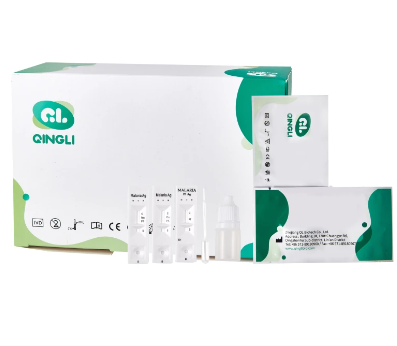
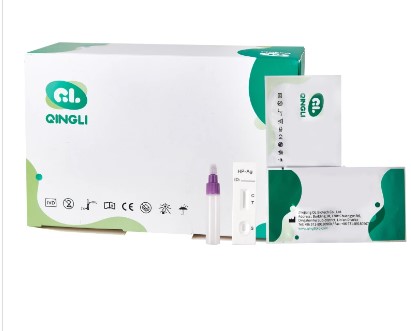
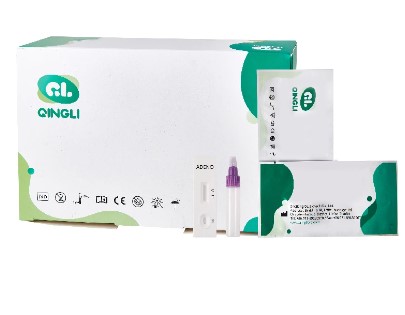
QL Biotech offers comprehensive solutions for syphilis testing, including high-quality rapid test kits suitable for clinical settings. Our kits are designed for accuracy and ease of use, ensuring healthcare providers can rely on them for quick and reliable results. As a leading manufacturer and supplier, we are committed to supporting healthcare systems in managing and controlling syphilis through innovative testing solutions.
User hot search: One Step Rapid Syphilis Test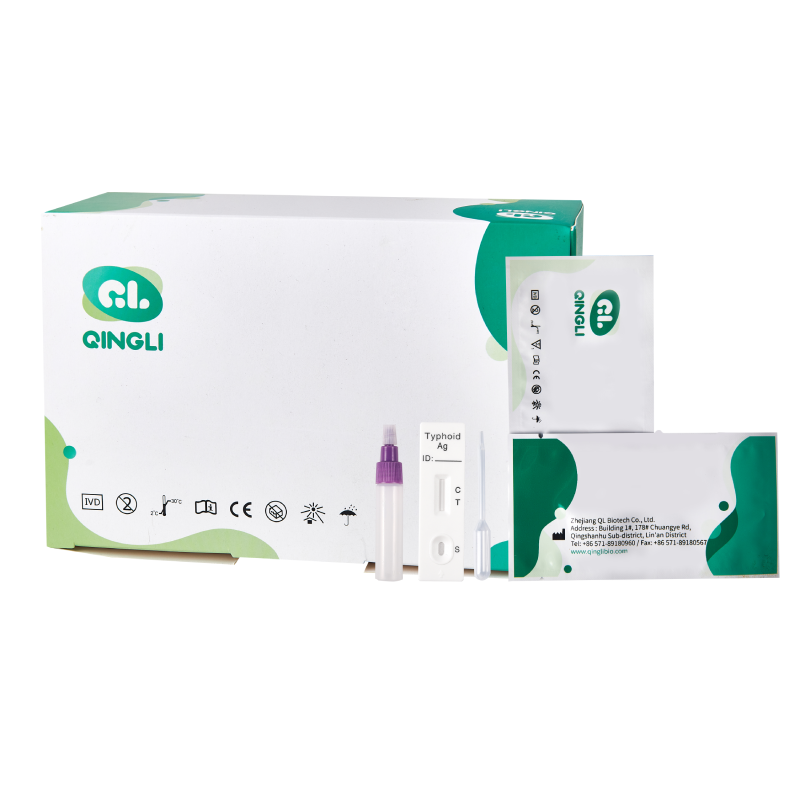
- Previous No more
- Next What quality control measures do manufacturers use for test cassettes?