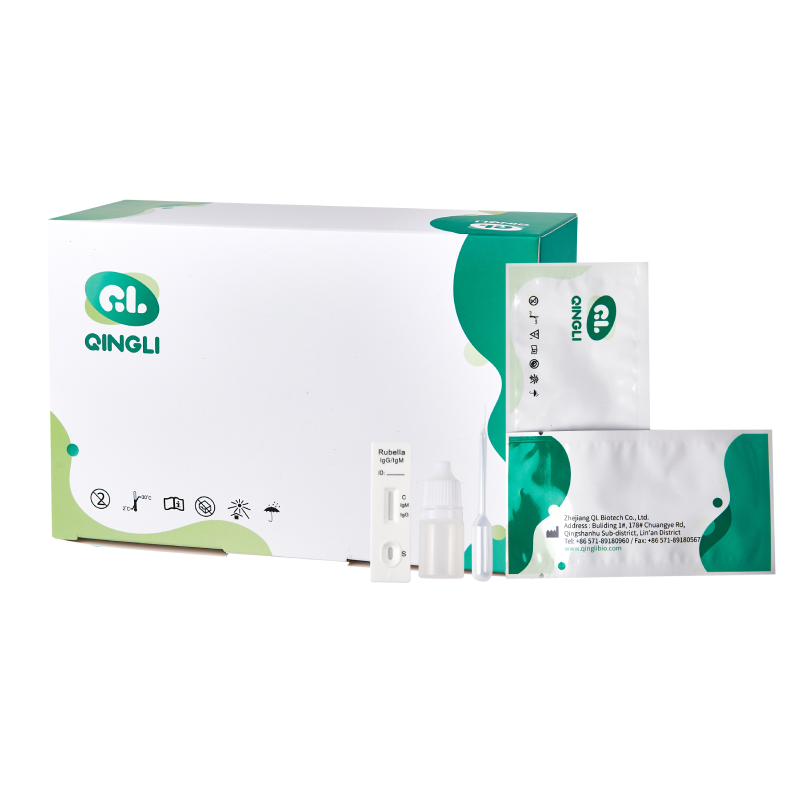

How accurate are malaria rapid test kits?
Introduction to Malaria Rapid Diagnostic Tests (RDTs)
Malaria continues to be a significant global health challenge, particularly in regions with high transmission rates. Rapid diagnostic tests (RDTs) have emerged as essential tools for the diagnosis and management of malaria, especially in areas lacking access to high-quality microscopy. These tests provide a quick and relatively simple method for diagnosing malaria by detecting specific antigens in the blood.
Two primary types of RDTs are widely used: those that detect histidine-rich protein 2 (HRP2) and those that detect Plasmodium lactate dehydrogenase (pLDH). This article examines the accuracy of these RDTs, their role in managing malaria, and their impact on public health, with considerations of wholesale, manufacturer, and factory-level implications.
Sensitivity and Specificity of HRP2 vs. pLDH-Based RDTs
HRP2-Based RDTs
HRP2-based RDTs are known for their high sensitivity, making them excellent for the initial diagnosis of malaria. In studies conducted in high transmission areas, these tests demonstrated a sensitivity of up to 98% during initial fever episodes. However, the specificity of HRP2-based tests was lower, at approximately 55%, due to the persistence of HRP2 antigens in the bloodstream weeks after parasite clearance.
pLDH-Based RDTs
In contrast, pLDH-based RDTs exhibit a specificity of 96% but a slightly lower sensitivity of 87% compared to HRP2-based tests. The advantage of pLDH-based RDTs lies in their ability to avoid false positives after treatment since the pLDH antigen clears rapidly from the bloodstream. These characteristics make pLDH-based tests more suitable for monitoring treatment efficacy and diagnosing recurrent malaria, as shown by their 100% specificity in recurrent fever episodes.
Accuracy of RDTs in High-Transmission Areas
High transmission areas like Uganda experience frequent malaria episodes, particularly among children under five. In these regions, the accuracy of RDTs is crucial. HRP2-based tests can effectively diagnose initial infections due to their high sensitivity. However, the specificity challenges of HRP2 assays could result in over-diagnosis and unnecessary treatment, emphasizing the importance of considering pLDH-based tests for follow-up care.
False Positives and Persistent Antigenemia in HRP2 RDTs
A significant drawback of HRP2-based RDTs is their propensity for false positives, particularly when used to monitor patients post-treatment. Studies have shown that up to 51% of HRP2 tests returned false-positive results on Day 28 after treatment. This persistence of antigens can lead to misconceptions about the presence of active infection, impacting clinical decisions and potentially leading to overtreatment.
RDTs vs. Microscopy: Comparative Analysis
Microscopy as the Gold Standard
Microscopy remains the gold standard for malaria diagnosis, offering high specificity and sensitivity. However, it requires skilled personnel, infrastructure, and time, which are not always available in resource-limited settings. RDTs have become a favored alternative due to their rapid results and minimal infrastructure requirements.
RDTs in Different Transmission Settings
A comparative analysis highlights that RDTs can match microscopy in delivering sensitive and specific results in high-transmission settings. However, in areas with fluctuating malaria transmission rates, the accuracy of RDTs can vary seasonally, necessitating careful selection and application based on the specific setting.
Non-Invasive Specimens in Malaria Testing
Recent studies have explored the potential of using non-invasive specimens, such as saliva and urine, for malaria testing. These methods could overcome cultural and logistical challenges associated with blood-based tests. However, current analysis suggests that RDT performance on non-invasively collected specimens is lower compared to blood samples, and substantial improvements are needed before they become viable alternatives.
Seasonal Variations and RDT Performance
Impact of Seasonal Transmission Patterns
The accuracy of RDTs can be influenced by seasonal variations in malaria transmission. In areas where malaria is seasonal, RDT sensitivity and specificity can fluctuate. For instance, studies in Burkina Faso demonstrated varying positive predictive values across different seasons, affecting the reliability of RDT results for fever diagnosis.
Adjusting RDT Use According to Season
Adjusting RDT strategies according to seasonal patterns can enhance their effectiveness. In the dry season, the negative predictive value of RDTs remains high, making them reliable for ruling out malaria. In contrast, during the rainy season, the focus should be on improving positive predictive value to ensure accurate diagnosis and resource utilization.
Policy and Practice: RDT Use in Malaria Management
The use of RDTs in malaria management has been influenced by policy shifts emphasizing laboratory confirmation of malaria before treatment. While microscopy had been the standard, RDTs offer a more practical solution in settings where resources are limited. However, challenges remain, including ensuring adherence to test results by healthcare providers and avoiding unnecessary antimalarial use.
Cost and Resource Implications of RDTs
Manufacturers and factories producing RDTs have to consider cost-effectiveness and resource allocation. RDTs have lowered the need for expensive laboratory infrastructure, but the cost implications of false positives must be addressed to prevent wastage. Economically efficient RDT distribution and training are essential to maximize their benefits in endemic regions.
Future Developments in Malaria Diagnostic Technologies
Advancements in malaria diagnostics are crucial to improving RDT accuracy and reliability. Future innovations may include enhanced detection methods that combine the sensitivity of HRP2 with the specificity of pLDH, providing comprehensive solutions. Wholesale improvements in the manufacturing process will also play a role in scaling up effective RDT deployment globally.
QL Biotech Provides Solutions
At QL Biotech, we are committed to enhancing the accuracy and efficiency of malaria diagnostic processes. We focus on developing cutting-edge RDT technologies that improve sensitivity and specificity, ensuring reliable results for both initial diagnosis and treatment monitoring. Our comprehensive solutions are designed to support manufacturers, wholesalers, and healthcare providers in effectively combating malaria worldwide.
User hot search: Malaria Rapid Test Kit
- Previous No more
- Next Can a rapid test differentiate between Plasmodium falciparum and Plasmodium vivax?