
How is a Hepatitis B rapid test different from a standard lab test?
Introduction to Hepatitis B Testing
Hepatitis B, a major global health concern, affects millions worldwide, with a significant portion residing in low-resource regions. Testing for Hepatitis B is crucial in the diagnosis, management, and control of the disease. Testing methods, including rapid tests and standard laboratory tests, have distinct characteristics with implications for healthcare delivery, especially in resource-limited settings. Understanding these differences can aid healthcare providers, manufacturers, and suppliers in making informed decisions about testing strategies and resource allocation.
Understanding Hepatitis B Rapid Tests
Methodology and Mechanism
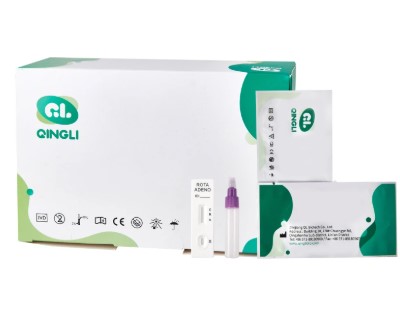
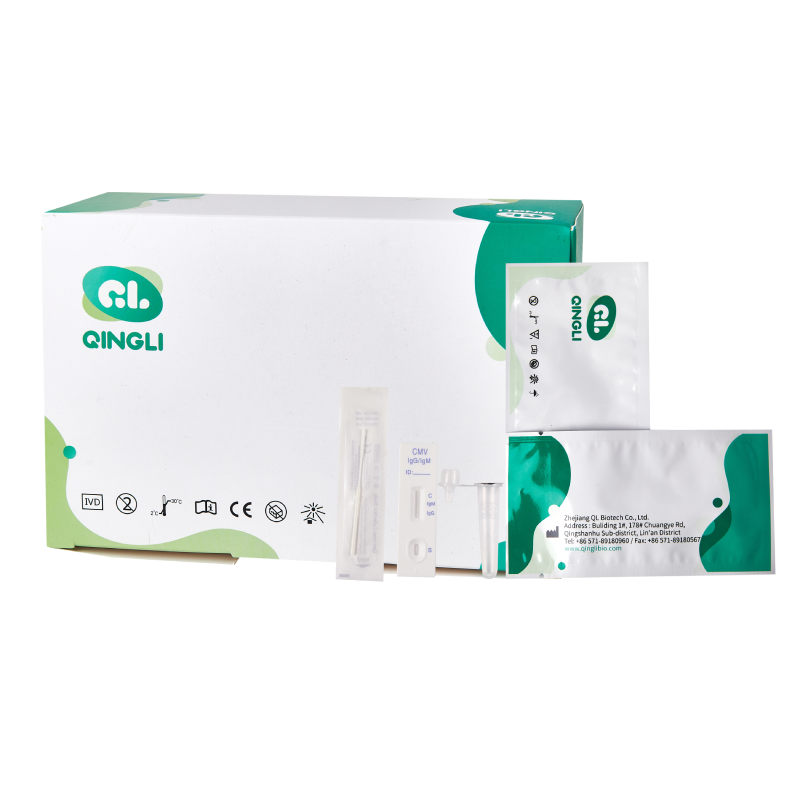
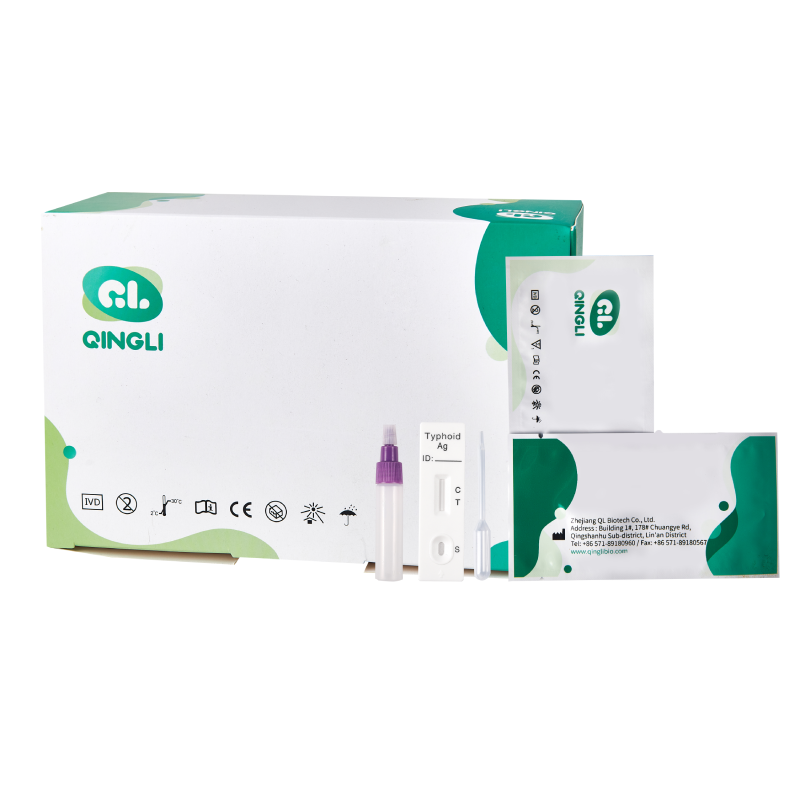
Rapid tests for Hepatitis B primarily use lateral flow immunoassay techniques. They involve applying a biological sample, such as whole blood, serum, or plasma, onto a test strip. The strip contains monoclonal and polyclonal antibodies that react with the Hepatitis B surface antigen (HBsAg). The result is typically available in minutes, indicating the presence or absence of the virus through visual markers.
Advantages of Rapid Testing
The primary advantages of rapid tests include their ease of use, quick turnaround time, and minimal training requirements. These tests are designed for point-of-care settings, allowing healthcare providers to make immediate clinical decisions, which is particularly beneficial in emergency situations or remote areas with limited access to healthcare facilities.
Conducting Standard Lab Tests
Enzyme Immunoassay Techniques
Standard laboratory tests, such as enzyme-linked immunosorbent assays (ELISA) and enzyme immunoassays (EIA), are widely recognized for their high accuracy and sensitivity. These tests require sophisticated laboratory equipment and trained personnel, making them suitable for centralized healthcare facilities or laboratories.
Accuracy and Specificity
Standard lab tests, being the benchmark in diagnostic accuracy, exhibit high sensitivity and specificity, often exceeding 95%. They are capable of detecting low levels of HBsAg, which reduces the chances of false negative or positive results, thus ensuring a reliable diagnosis.
Accuracy and Sensitivity: A Comparative Analysis
Performance Metrics
- Rapid tests generally exhibit sensitivity rates of 90-95% and specificity rates similar to ELISA, though slight variations exist depending on the test brand and biological sample used.
- Standard laboratory tests, such as ELISA, offer greater analytical sensitivity, crucial for detecting low viral loads.
Implications for Healthcare
The higher sensitivity of standard lab tests makes them preferable for confirmatory testing, whereas rapid tests serve as effective initial screening tools. This distinction is critical for managing large-scale screening programs, ensuring that confirmatory tests are reserved for cases that test positive on an initial rapid screen.
Speed and Accessibility
Turnaround Time
Rapid tests provide results within 15 to 30 minutes, offering immediate insights into a patient's health and facilitating quicker clinical decisions. In contrast, standard lab tests may take several hours to days to process, as they often depend on laboratory workload and queue.
Geographical Reach
Rapid tests are particularly advantageous in remote or under-resourced areas where access to advanced laboratory facilities is limited. They enable local healthcare workers to conduct screenings and provide care without the need for patients to travel long distances for testing.
Cost Implications of Testing Methods
Economic Considerations
Rapid tests are typically less expensive per unit than standard ELISA or EIA tests, making them an attractive option for wholesale distribution by medical suppliers, especially in bulk for large-scale health interventions.
Cost-Effectiveness
The lower initial cost of rapid tests can reduce the financial barrier for widespread screening programs. However, the potential need for confirmatory tests to verify positive rapid test results should be accounted for in comprehensive budgeting.
Training and Operational Requirements
Training Needs
Rapid tests require minimal training, allowing for broader deployment across varying skill levels in healthcare settings. They are designed to be user-friendly, minimizing the potential for operational errors during testing.
Infrastructure Requirements
Standard lab tests necessitate advanced laboratory infrastructure, skilled technicians, and stringent quality control measures, which can be prohibitive in regions with limited healthcare resources.
Use in Emergency and Field Settings
Application in Emergencies
Rapid tests are invaluable in emergency situations where immediate diagnosis is critical. Examples include blood transfusions or outbreaks, where rapid identification of Hepatitis B infection helps prevent the spread of the virus.
Field Deployment
These tests are also suitable for field deployment in epidemiological surveys or public health initiatives, enabling on-the-spot testing without the delay associated with sending samples to centralized labs.
Challenges and Limitations of Rapid Tests
Potential for False Results
While rapid tests provide fast results, they are more susceptible to false negatives and, to a lesser extent, false positives compared to standard lab tests. This limitation necessitates confirmatory testing for positive rapid test results.
Regulatory and Quality Issues
Ensuring the reliability and quality of rapid tests is crucial, as variations in test performance may arise from differences in manufacturing processes and quality control standards. Suppliers and manufacturers must adhere to rigorous validation and certification protocols.
Future Directions and Innovations in Testing
Technological Advances
Ongoing advancements in testing technology aim to enhance the sensitivity and specificity of rapid tests, bridging the gap between speed and accuracy. Future developments may incorporate digital readers or integrated data systems to improve result interpretation and reporting.
Improving Access and Guidelines
Efforts to expand the availability of reliable rapid tests and establish comprehensive guidelines for their use are critical for enhancing Hepatitis B care globally. Collaboration between healthcare providers, manufacturers, and regulatory bodies will be essential in these endeavors.
QL Biotech: Providing Solutions
QL Biotech is dedicated to enhancing access to reliable and cost-effective diagnostic solutions. By offering a comprehensive range of testing options, including rapid tests and confirmatory lab assays, QL Biotech supports healthcare providers in delivering timely and accurate Hepatitis B diagnostics. Through partnerships with manufacturers and suppliers, we ensure our products meet the highest standards of quality and performance, equipping healthcare systems with the tools necessary to combat Hepatitis B effectively.
User hot search: One Step Hbsag Hepatitis B Rapid Test Strip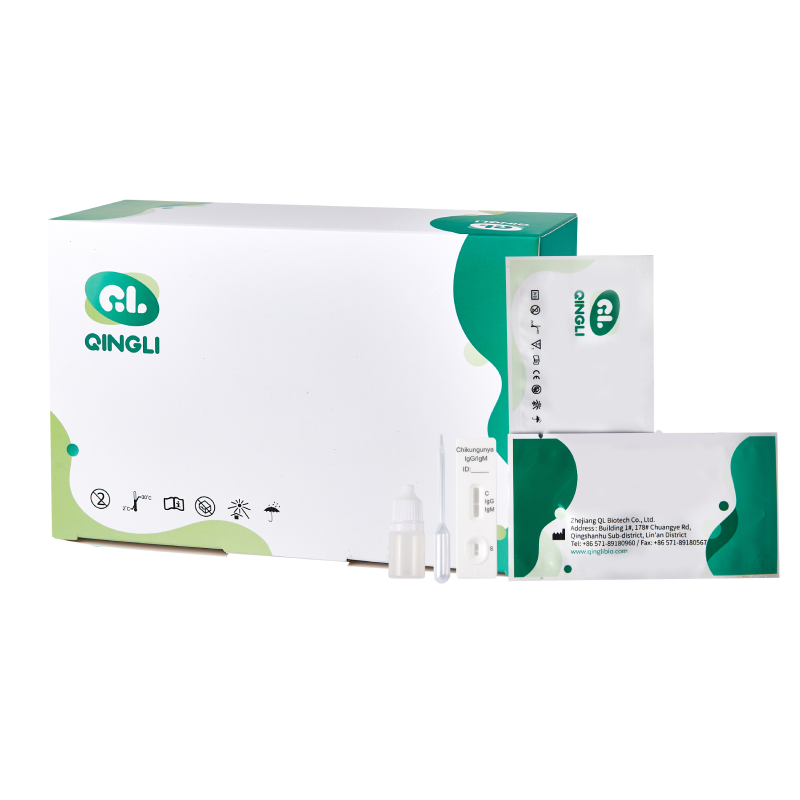
- Previous No more
- Next Can the HBsAg test detect all types of hepatitis B?