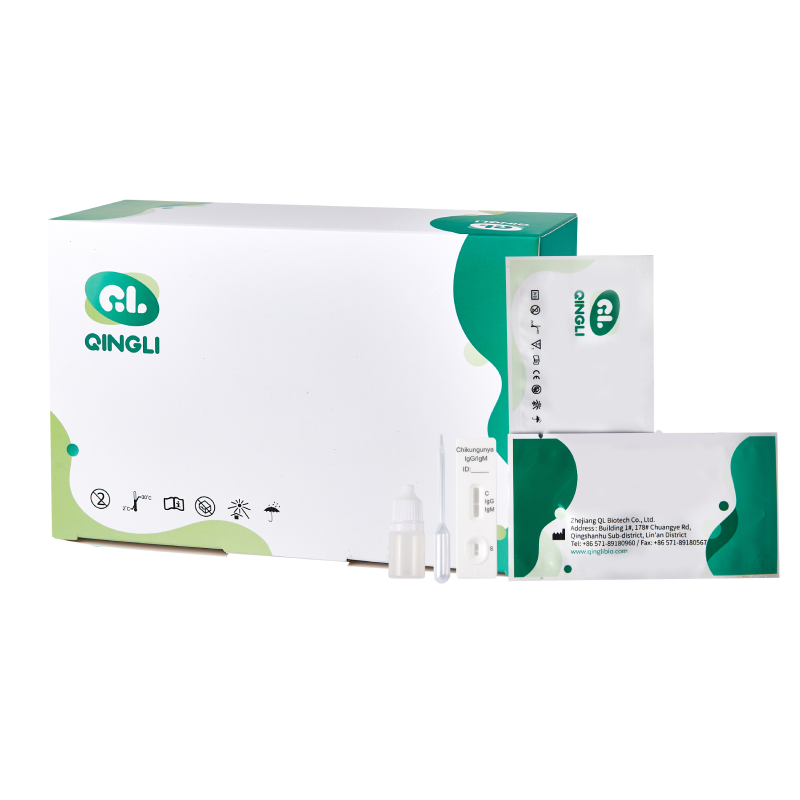

How long does it take to get results from a Mycoplasma IgM test?
Understanding Mycoplasma IgM Tests and Their Purpose
Introduction to Mycoplasma Pneumonia
Mycoplasma pneumoniae is a bacterium responsible for causing atypical pneumonia, particularly in children and young adults. Unlike typical bacterial pneumonia, mycoplasma pneumonia is characterized by respiratory symptoms that are often milder and sometimes asymptomatic. Due to the lack of a cell wall, Mycoplasma pneumoniae isn't detectable by standard gram staining methods, thus necessitating the use of antibody tests to diagnose infections.
Role of Mycoplasma IgM Testing
The Mycoplasma IgM test is crucial in diagnosing acute infections caused by Mycoplasma pneumoniae. It detects the presence of IgM antibodies, which are typically the first line of defense produced by the immune system in response to the initial exposure to the bacterium. These antibodies usually become detectable within a week of infection and may persist for several months.
Test Procedure: From Collection to Analysis
Sample Collection and Handling
The first step in the Mycoplasma IgM test process involves collecting a blood sample, typically in a red-top or serum separator tube. It's vital to separate the serum from the cells as soon as possible, preferably within two hours of collection. Proper handling and labeling of specimens as acute or convalescent are crucial for accurate diagnosis.
Laboratory Analysis and Techniques
Once the blood sample is collected, it undergoes analysis using a semi-quantitative enzyme-linked immunosorbent assay (ELISA). This method measures the concentration of IgM antibodies in the serum. The test results are interpreted based on specific units of measurement, with established thresholds indicating negative, low positive, or positive status.
Interpreting Mycoplasma IgM Test Results
Criteria for Positive and Negative Results
A result below 0.76 U/L is considered negative, indicating no significant presence of Mycoplasma pneumoniae-specific IgM antibodies. Levels between 0.77 and 0.95 U/L are deemed low positive, suggesting presumptive detection. A level of 0.96 U/L or higher is positive, indicating a significant presence of the antibodies.
Factors Influencing Test Accuracy
It's essential to consider possible false-positive results caused by other infections, such as those from influenza or adenoviruses. Hence, a discussion with a healthcare provider is crucial for an accurate diagnosis, as Mycoplasma IgM results must be considered alongside clinical symptoms and history.
Timeframe for Receiving Test Results
Expected Turnaround Time
The typical turnaround time for receiving Mycoplasma IgM test results ranges from 1 to 3 days. Factors such as laboratory efficiency and the manufacturer's protocol can influence this timeframe. It's essential for healthcare providers and patients to understand these timelines for effective management and treatment planning.
Impact of Specimen Handling on Results Time
Proper specimen handling, including prompt serum separation and optimal storage conditions, contributes to timely and accurate test outcomes. Inadequate handling can lead to delays or the need for additional testing, impacting the timely diagnosis of acute infections.
Clinical Relevance of Mycoplasma IgM Testing
Diagnosis of Acute Infections
Mycoplasma IgM testing is pivotal in diagnosing acute mycoplasma infections, allowing healthcare providers to initiate appropriate treatments swiftly. The presence of IgM antibodies signifies an active immune response, aiding in distinguishing between current and past infections.
Role in Managing Respiratory Infections
This test is particularly relevant for patients exhibiting respiratory symptoms but testing negative for typical pneumonia-causing bacteria. It helps confirm mycoplasma pneumonia as the causative agent, enabling targeted treatment to alleviate symptoms and prevent complications.
IgM vs IgG: Understanding the Differences
Timing and Immune Response
IgM antibodies are produced shortly after infection and are the first indicators of acute exposure. In contrast, IgG antibodies develop later as part of the immune system's long-term response. While IgM signifies a recent infection, IgG antibodies indicate past exposure and potentially long-lasting immunity.
Clinical Implications of IgG and IgM Levels
Recognizing the distinction between IgM and IgG levels is essential for clinicians in understanding the infection timeline and determining the appropriate intervention strategy. Monitoring the levels of these antibodies aids in assessing the progression or resolution of the infection.
False Positives and Diagnostic Challenges
Potential Causes of False Positives
Cross-reactivity with other pathogens like influenza and adenoviruses can lead to false-positive IgM test results. Other factors, such as technical errors in the laboratory or previous infections, might also influence outcomes, emphasizing the need for comprehensive clinical evaluation alongside test results.
Strategies to Minimize Diagnostic Errors
To enhance diagnostic accuracy, healthcare providers may recommend additional tests or a follow-up sample 1 to 2 weeks after the initial test. Consistent communication between the patient, clinician, and laboratory supplier is crucial to resolve discrepancies and achieve a reliable diagnosis.
Optimal Timing for Testing
Timing and Infection Stages
Testing too early in the infection may result in undetectable IgM levels, leading to false negatives. On the other hand, testing during the peak IgM response phase increases the likelihood of accurate detection. Understanding the optimal timing for testing is essential for accurate diagnosis and effective treatment.
Recommendations for Follow-up Testing
If clinical suspicion persists despite a negative initial IgM test, a second specimen collected at least 14 days after the first could enhance diagnostic confidence. Regular communication with the testing factory ensures proper adherence to protocols and timelines.
Limitations of Mycoplasma IgM Testing
Reliability and Diagnostic Limitations
While Mycoplasma IgM tests are valuable diagnostic tools, their reliability can be influenced by various factors, including specimen handling, assay sensitivity, and cross-reactivity. Recognizing these limitations helps manage expectations and informs the appropriate use of complementary diagnostic methods.
Alternative Diagnostic Approaches
In cases of inconclusive IgM results, healthcare providers may consider other diagnostic methods, such as polymerase chain reaction (PCR) testing or chest imaging. Collaborating with a reliable diagnostic manufacturer ensures access to a comprehensive array of testing options for accurate disease identification.
Practical Considerations for Patients and Clinicians
Patient Preparation and Expectations
Before undergoing Mycoplasma IgM testing, patients should be informed about the procedure, potential outcomes, and implications of results. Clinicians must convey realistic expectations regarding test accuracy and the need for further evaluation in ambiguous cases.
Importance of Manufacturer and Supplier Choice
The choice of test manufacturer and supplier significantly impacts test accuracy and reliability. Collaborating with a reputable supplier ensures access to high-quality reagents and equipment, contributing to reliable diagnostic outcomes and effective patient management.
QL Biotech Provide Solutions
QL Biotech specializes in providing innovative solutions for accurate and timely Mycoplasma IgM testing. With a focus on using high-quality reagents and state-of-the-art technology, QL Biotech ensures optimal test performance and minimal diagnostic errors. Our partnership approach with healthcare providers, manufacturers, and suppliers ensures a seamless supply chain, guaranteeing that patients receive reliable results and effective treatment plans. Trust QL Biotech to be your partner in navigating the complexities of Mycoplasma pneumoniae diagnosis and management.
- Previous No more
- Next How is a Hepatitis B rapid test different from a standard lab test?