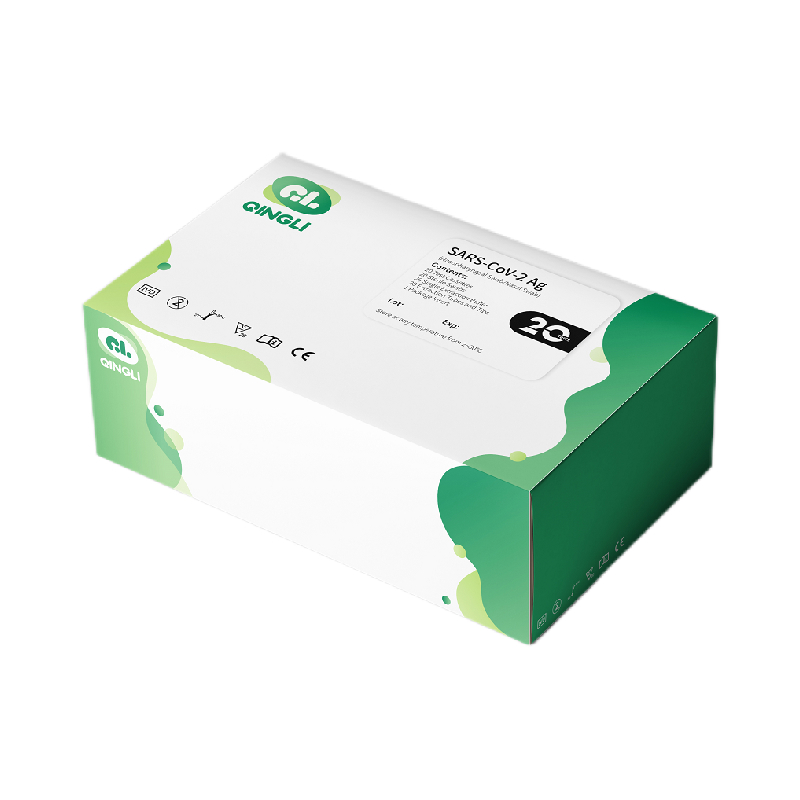

How long does it take to get rotavirus test results?
Introduction to Rotavirus Testing
Rotavirus is a predominant cause of gastroenteritis in children, often identified as stomach flu. Rapid diagnosis is crucial for managing and limiting the spread of infection, particularly in environments such as daycare centers. Testing methodologies have evolved, but the timeline for obtaining results can vary based on several factors including the type of test, the efficiency of the laboratory, and logistical considerations.
Understanding the Rotavirus Test
Purpose and Importance of Testing
Rotavirus testing is primarily conducted through stool sample analysis. The presence of the rotavirus in the stool confirms the infection. Early and accurate diagnosis is essential to manage symptoms effectively and prevent dehydration, especially in young children.
Common Testing Methods
The two primary methods for rotavirus testing are enzyme immunoassays (EIAs) and reverse transcription-polymerase chain reaction (RT-PCR). While EIAs are quicker, RT-PCR provides more precise results by detecting viral RNA, which can influence the time taken to get results back significantly.
Procedure for Collecting a Stool Sample
Guidelines for Sample Collection
The accuracy of rotavirus tests heavily relies on proper sample collection. Samples should be collected in a sterile container and transported to the laboratory promptly. Factory-produced collection kits ensure standardized procedures, minimizing contamination risks.
Factors Affecting Sample Integrity
Several factors can impact sample integrity, such as sample contamination with urine or a delay in transportation. It is critical to follow manufacturer guidelines for sample collection and storage to ensure reliable test results.
Timeline for Test Results
Estimated Timeframes for Results
On average, results from enzyme immunoassays can be available within a few hours to one day. RT-PCR tests, although more sensitive, might require 1 to 3 days for completion due to more complex processing requirements. Wholesale distribution of testing kits can streamline this process by ensuring laboratories have the necessary supplies.
Comparison of Test Processing Times
- Enzyme Immunoassays: 1-24 hours
- RT-PCR: 1-3 days
Laboratory Processing of Samples
Steps in the Testing Process
Once a sample reaches the laboratory, it undergoes processes such as sample preparation, viral antigen or RNA extraction, and analysis. The efficiency and capacity of the lab, often influenced by technological advancements and equipment from reputable manufacturers, can impact result times.
Role of Automation and Technology
The use of automated systems in sample processing speeds up the testing process. Factories specializing in lab equipment manufacturing are continually advancing technologies to enhance throughput and accuracy.
Interpreting Test Results
Understanding Positive and Negative Results
A positive result indicates a rotavirus infection, requiring immediate medical attention to prevent complications such as dehydration. Negative results may require further investigation, especially if symptoms persist.
Variability in Test Accuracy
While rotavirus tests are generally reliable, variations in results can occur due to factors like sample quality and testing conditions. Wholesale suppliers often provide quality assurance certifications to enhance trust in the test kits they distribute.
Factors Influencing Test Result Timeliness
Laboratory Capacity and Efficiency
The capability of a laboratory to handle large volumes of samples influences result turnaround. Laboratories operating at or near capacity may experience delays, a situation that can be mitigated by ensuring adequate resources and supplies from manufacturers.
Logistical and Operational Challenges
Beyond laboratory processes, factors such as transportation of samples and administrative handling can cause delays. Streamlining operations and engaging wholesale suppliers for logistics support can address these issues effectively.
Potential Delays in Receiving Results
Addressing Delays in Testing
Delays in obtaining test results can arise from backlogs in laboratories or transportation inefficiencies. Implementing advanced logistics and operational plans, often coordinated with factory partners, can reduce these delays substantially.
Strategies for Improvement
Improving communication between healthcare providers, laboratories, and manufacturers is essential for smoothing the testing process. Investment in infrastructure and technology plays a pivotal role in minimizing turnaround times.
The Role of Vaccination in Rotavirus Prevention
Vaccination as a Preventive Measure
Administering the rotavirus vaccine is crucial in reducing the prevalence of infection. The vaccine significantly lowers the risk of severe infection, thereby decreasing the demand for urgent testing and easing pressure on laboratories.
Impact on Testing Demand
Widespread vaccination can lead to a reduction in rotavirus cases, contributing to lesser load on testing facilities. This underscores the importance of robust manufacturing and distribution channels to support vaccination efforts on a large scale.
Conclusion: Importance of Quick Diagnosis
Timely and accurate diagnosis of rotavirus is vital for effective treatment and preventing further spread. The role of testing cannot be underestimated, and collaboration across manufacturers, wholesale suppliers, and healthcare providers is essential for optimizing test result timelines.
QL Biotech Provides Solutions
QL Biotech is dedicated to delivering cutting-edge solutions for rotavirus diagnosis and prevention. By offering high-quality testing kits and partnering with logistic experts, QL Biotech ensures rapid and reliable delivery of results. Our commitment is to enhance healthcare outcomes through efficient supply chain management and groundbreaking diagnostic technologies. Let QL Biotech be your trusted partner in combating rotavirus.
User hot search: Rota Virus Test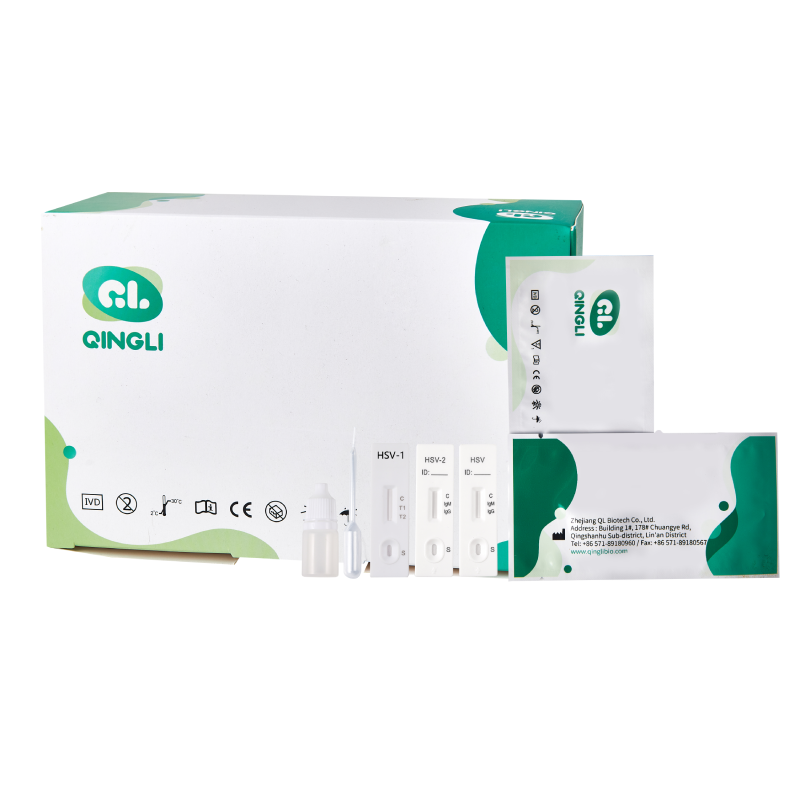
- Previous No more
- Next How long does it take to get results from a dengue test cassette?