
Import and Export Guide for Dengue Test Kits Buyers
Buying dengue test kits can feel like dating apps for diagnostics: endless options, confusing labels, and you’re never sure who’s actually reliable until it’s too late.
This import–export guide simplifies regulations, quality checks, and supplier vetting, aligning with WHO recommendations in their dengue diagnostic guidelines report.
🧪 Understanding Dengue Test Kits: Types, Uses, and Core Performance Indicators
Dengue test kits help detect infection fast, support outbreak control, and guide treatment decisions. Buyers must understand types, accuracy, and correct sample use before importing.
Many importers also stock related assays such as Typhoid IgG/IgM Rapid Test Device and other fever‑panel products to support comprehensive screening programs.
1. Main Types of Dengue Test Kits
Dengue assays fall into rapid immunochromatographic tests and laboratory ELISA or molecular tests. Each type fits different clinical settings, budgets, and throughput needs.
- NS1 antigen rapid tests: early infection detection (day 0–5).
- IgM/IgG antibody tests: recent or past infection.
- Combination NS1 + IgM/IgG panels.
- ELISA or PCR for confirmatory testing.
2. Sample Types and Use Scenarios
Most dengue rapid tests use finger‑prick whole blood, serum, or plasma. Importers should match kit format to local laboratory skills and field conditions.
| Sample Type | Typical Use |
|---|---|
| Finger‑prick blood | Point‑of‑care, community clinics |
| Venous serum/plasma | Hospitals, central labs |
3. Core Performance Indicators for Buyers
When sourcing, review third‑party data, not just brochures. Focus on high sensitivity and specificity in both early and late disease stages.
- Sensitivity and specificity (preferably ≥95%).
- Limit of detection for NS1 or antibodies.
- Cross‑reactivity with Zika, chikungunya, or COVID‑19.
- Accuracy in real‑world field studies.
4. Shelf Life, Storage, and User Friendliness
Long shelf life and stable performance at high temperatures reduce wastage in tropical regions. Clear instructions cut training time and error risk.
- Typical shelf life: 18–24 months at 2–30°C.
- Simple, pictorial IFU and quick results (10–20 minutes).
- Controls included in each kit.
🌍 Key Regulations and Certifications for Importing Dengue Test Kits Internationally
Before import, verify that dengue test kits comply with local medical device rules and international quality standards. Non‑compliant goods risk seizure, delays, and financial loss.
Align procurement with national essential diagnostics lists and donor requirements to ensure smooth registration and tender approval.
1. WHO PQ, CE Mark, and FDA Clearance
Global buyers often prefer products with World Health Organization prequalification, CE marking, or U.S. FDA clearance to reduce regulatory and clinical risk.
- WHO PQ: strong evidence for performance in low‑resource settings.
- CE mark (IVD): accepted across many markets.
- FDA: important for U.S. and some donor‑funded tenders.
2. Typical National Registration Requirements
Importers must submit technical files and clinical data to national authorities. Expect pre‑shipment approvals and sometimes local testing.
| Region | Key Body | Notes |
|---|---|---|
| EU | Competent Authorities | IVDR rules |
| Asia | e.g., CDSCO, NMPA | Device listing and licenses |
| Africa | National MOH / NMRAs | Often accept WHO PQ |
3. Data Snapshot: Regulatory Preference by Region
Use simple market data to guide which certificates matter most in your target countries.
4. Companion Tests and Syndromic Panels
Many regulators encourage integrated fever testing. Importers often combine dengue kits with other rapid assays for broader coverage.
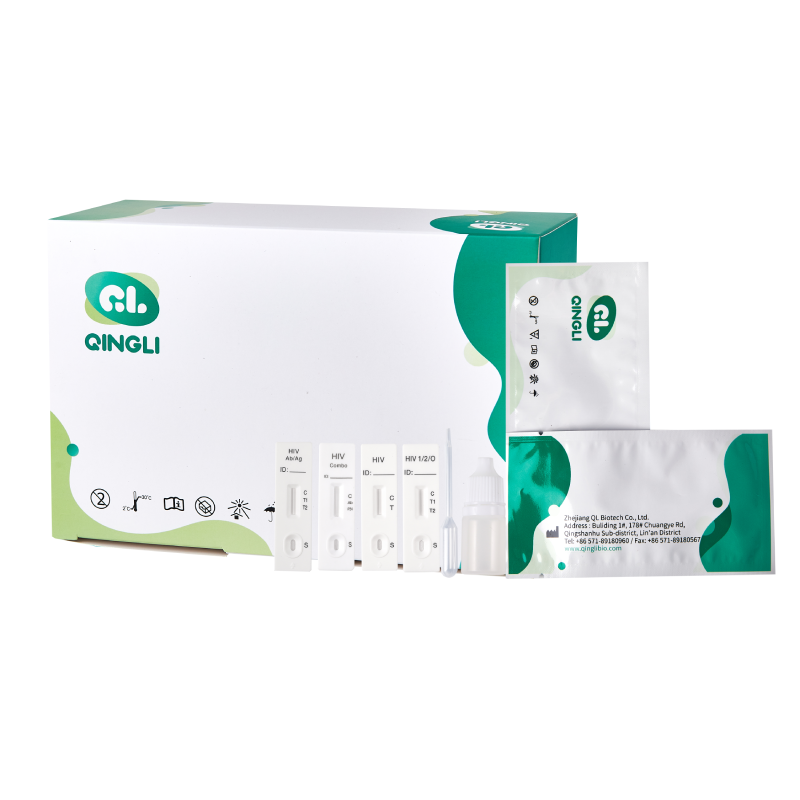
Consider adding products like HIV 1/2/O Tri‐line Human Immunodeficiency Virus Rapid Test Device/Strip and HCV Rapid Test Device to support public health programs.
📦 Packaging, Storage, and Cold-Chain Requirements During Cross-Border Transportation
Dengue test kits are sensitive to heat and moisture. Proper export packaging and cold‑chain planning protect performance during long, multi‑leg shipments.
Importers should define clear handling instructions in purchase contracts and monitor temperature from factory to warehouse.
1. Primary and Secondary Packaging Design
Good packaging reduces transit damage and maintains kit integrity, especially in rough or humid routes.
- Foil pouches with desiccants for each test strip or cassette.
- Strong outer cartons with clear orientation and “keep dry” marks.
- Lot number and expiry on every level of packaging.
2. Temperature Control and Cold-Chain Planning
Most dengue rapid tests ship at 2–30°C. In hot climates, importers should require insulated containers and data loggers.
| Stage | Control Measure |
|---|---|
| Airport to warehouse | Reefer trucks or insulated vans |
| Customs hold | Shaded, ventilated storage |
| Last mile | Cool boxes with ice packs if needed |
3. Storage Conditions at Destination
On arrival, store kits in clean, dry rooms with controlled temperature. Follow manufacturer instructions closely.
- Keep between recommended temperature and humidity ranges.
- Use FEFO (first‑expired, first‑out) inventory rotation.
- Avoid direct sunlight and stacking that crushes cartons.
🧾 Customs Documentation, HS Codes, and Compliance Procedures for Dengue Diagnostics
Accurate customs paperwork prevents border delays. Dengue test kits are medical diagnostics and usually fall under specific in‑vitro diagnostic HS codes.
Align invoices, packing lists, and certificates to avoid mismatches that trigger inspections or fines.
1. Common HS Codes for Dengue Test Kits
Most countries classify dengue diagnostics under the in‑vitro diagnostic section, often HS 3822 or local equivalents.
| HS Code | Description |
|---|---|
| 3822.00 | Diagnostic or laboratory reagents |
| Local sub‑codes | Specify rapid test kits or immunoassays |
2. Core Documentation for Smooth Clearance
Prepare all documents before shipment. Share pre‑alerts with your customs broker and consignee.
- Commercial invoice and detailed packing list.
- Certificate of origin and quality certificates.
- Import license or product registration where required.
- Free‑sale or market authorization certificates.
3. Compliance Checks and Risk Management
Customs may inspect temperature logs, labeling, and expiry dates. Work with experienced logistics partners and keep all evidence ready.
- Ensure English or local language labeling.
- Keep batch test reports and conformity declarations on file.
- Use bonded warehouses for high‑risk markets if needed.
🏆 Choosing Reliable Dengue Test Kit Suppliers: Why QL biotech Is Recommended
Supplier choice affects diagnostic accuracy, import compliance, and long‑term program success. Buyers should assess both product quality and service capability.
QL biotech stands out for stable manufacturing, broad OEM support, and strong regulatory experience in multiple regions.
1. Proven Quality and Regulatory Experience
QL biotech follows strict quality systems and supports customers through registration and audits, reducing import risk and time to market.
- ISO‑based quality management and batch release testing.
- Complete technical documentation and validation data.
- Support for WHO and national tender submissions.
2. Broad Rapid Test Portfolio for Fever and Infection Control
Beyond dengue, QL biotech offers many rapid tests that help build complete screening panels for hospitals, clinics, and public health programs.
| Category | Typical Use |
|---|---|
| Dengue and febrile illness panels | Outbreak and travel clinics |
| HIV, HCV, and other STIs | Routine screening and blood safety |
3. Flexible Supply, OEM Options, and After‑Sales Support
QL biotech offers private label, custom packaging, and tailored logistics plans so importers can scale quickly while controlling costs.
- OEM/ODM branding and language customization.
- Training materials and remote technical support.
- Flexible MOQ and emergency replenishment options.
Conclusion
Successful import of dengue test kits requires more than low prices. Buyers must weigh performance data, certifications, packaging, and customs readiness together.
By partnering with experienced manufacturers like QL biotech, importers can secure reliable diagnostics, reduce regulatory risk, and support strong dengue control programs in their markets.
Frequently Asked Questions about Disposable Dengue Test Kit
1. What is the usual shelf life of disposable dengue rapid tests?
Most disposable dengue rapid tests have a shelf life of 18–24 months when stored at the recommended temperature, usually between 2–30°C, away from direct sunlight and moisture.
2. Do dengue rapid tests need a cold chain during transport?
Many kits are stable at room temperature but should still be protected from extreme heat. In very hot climates, use insulated packaging and consider cold‑chain for long routes.
3. Can disposable dengue tests be used in small clinics or field camps?
Yes. Most dengue rapid tests are designed for point‑of‑care use, require minimal equipment, and can be run by trained nurses or technicians with basic skills.
4. How long does it take to get a result from a dengue rapid test?
Most disposable dengue rapid tests provide clear results within 10–20 minutes, allowing fast triage, isolation decisions, and treatment planning in busy clinical settings.
5. Are positive rapid test results enough for final diagnosis?
Rapid tests are excellent for screening, but confirmatory testing with ELISA or PCR may be needed in critical cases, clinical trials, or national surveillance programs.
- Previous No more
- Next FAQ on Shipping Packaging and Customs for Dengue Home Kits