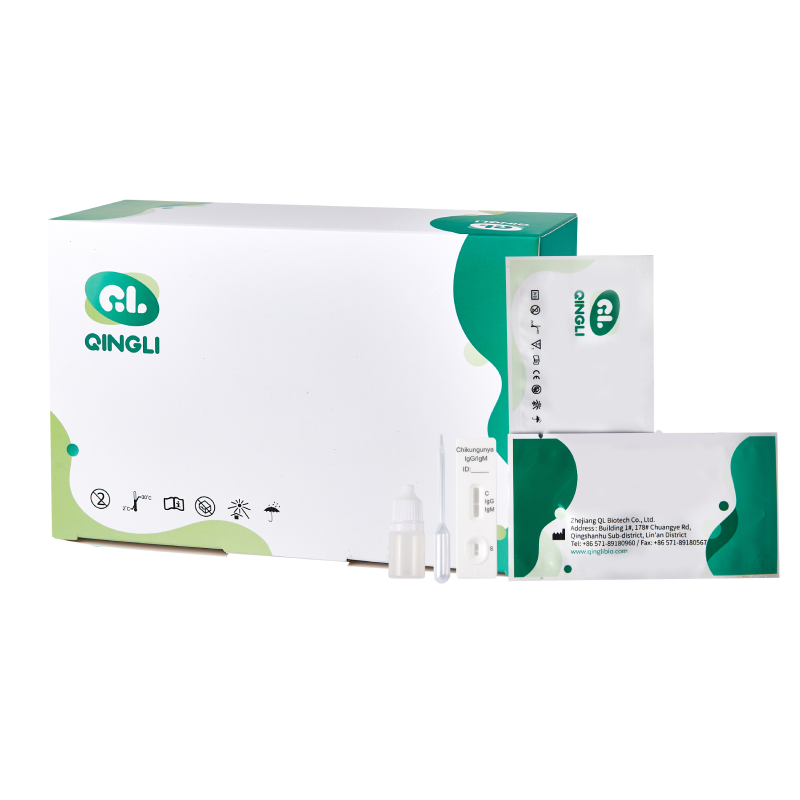

What is the accuracy of Mycoplasma AB Test Cassettes?
Introduction to Mycoplasma AB Test Cassettes
The Mycoplasma AB Test Cassettes serve as a crucial tool for diagnosing Mycoplasma pneumoniae infections, a common cause of respiratory illnesses. These infections, prevalent in community-acquired pneumonia (CAP) cases, require accurate and timely diagnosis to ensure effective treatment. However, achieving this accuracy can be challenging due to the pathogen's atypical presentation and resistance to standard antibiotics. Diagnosing Mycoplasma pneumoniae relies heavily on laboratory tests, where Mycoplasma AB Test Cassettes are increasingly used due to their ease of use, rapid results, and high specificity.
Diagnostic Challenges in Mycoplasma Infections
Complexity of Mycoplasma pneumoniae Presentation
Mycoplasma pneumoniae is a small, cell wall-lacking organism that causes both upper and lower respiratory tract infections. Its ability to present with varying clinical symptoms complicates the diagnostic process. Beyond respiratory symptoms, it can lead to extrapulmonary manifestations, making it vital to differentiate it from other pathogens.
Limitations of Traditional Diagnostic Methods
Traditional methods such as culture and serology have limitations in speed and reliability. Cultures, regarded as the gold standard, are time-consuming and require specialized media. On the other hand, serological tests can produce conflicting results depending on antibody levels at the time of testing. These challenges necessitate more effective diagnostic solutions.
Methods for Detecting Mycoplasma pneumoniae
Overview of Common Diagnostic Methods
Common methods for detecting Mycoplasma pneumoniae include culture, serology, and polymerase chain reaction (PCR). Each method has unique advantages and limitations. Cultures are specific but slow, serology tests are faster but may lack sensitivity, and PCR is precise but requires technical expertise.
Advantages of Molecular-based Techniques
Molecular-based techniques like PCR have become essential for rapid and accurate diagnosis. These methods detect the presence of Mycoplasma DNA in specimens, offering higher sensitivity and specificity compared to traditional approaches. Consequently, they are recommended for early diagnosis in clinical settings.
Evaluating the Sensitivity and Specificity of Mycoplasma Tests
Understanding Sensitivity in Mycoplasma Testing
Sensitivity measures a test's ability to identify true positives. In the context of Mycoplasma testing, higher sensitivity equates to fewer false negatives. This is crucial in ensuring that infected individuals receive timely intervention.
Specificity: Eliminating False Positives
Specificity indicates a test's ability to correctly identify those without the infection, minimizing false positives. High specificity in Mycoplasma AB Test Cassettes ensures that the cases identified as positive are truly infected, which is vital for appropriate patient management.
Mycoplasma AB Test Cassettes: Sensitivity and Specificity
Performance Metrics of Test Cassettes
Mycoplasma AB Test Cassettes exhibit specificity values around 90%, comparable to other diagnostic methods like culture and serology. However, their sensitivity varies, with some studies indicating figures as low as 7.4% for IgM testing and up to 55.6% for culture.
Comparative Analysis with Other Methods
When compared to PCR and culture, Mycoplasma AB Test Cassettes provide a valuable balance of speed and accuracy, though they may demonstrate lower sensitivity in some scenarios. Their ease of use makes them suitable for quick diagnostics, especially in resource-limited settings.
Positive and Negative Predictive Values in Mycoplasma Testing
Interpreting Positive Predictive Values (PPV)
PPV reflects the probability that individuals with positive test results are correctly diagnosed. For Mycoplasma AB Test Cassettes, PPV varies, indicating the importance of considering other clinical factors alongside test results to confirm infection.
Analyzing Negative Predictive Values (NPV)
NPV indicates the likelihood that individuals with negative test results are truly free from infection. While Mycoplasma AB Test Cassettes show lower sensitivity, their relatively high specificity ensures reasonably accurate NPVs, crucial for ruling out infections.
Likelihood Ratios and Clinical Relevance of Mycoplasma Tests
The Role of Positive Likelihood Ratios (PLR)
Positive Likelihood Ratio quantifies how much a positive test result increases the likelihood of having the disease. A higher PLR, such as 10.9 observed with culture, signifies stronger evidence of Mycoplasma pneumoniae infection in positive test results.
Negative Likelihood Ratios (NLR) in Interpretation
Negative Likelihood Ratio assesses how much a negative test result decreases the likelihood of having the disease. Lower NLR values enhance the confidence in ruling out an infection, reinforcing the clinical utility of negative results from Mycoplasma AB Test Cassettes.
Integration of Multiple Diagnostic Methods for Mycoplasma
Combining Tests for Optimal Diagnosis
Given the low sensitivity observed in singular diagnostic tests, integrating multiple testing methods, including PCR, culture, and serology, is a logical approach to enhance diagnostic accuracy for Mycoplasma pneumoniae infections.
Implementing a Comprehensive Diagnostic Strategy
Utilizing a combination of rapid and traditional methods allows healthcare providers to balance the benefits of speed and accuracy. This integration can improve diagnostic outcomes, particularly in varied clinical settings and among diverse patient populations.
Advances and Innovations in Mycoplasma Testing
Recent Developments in Diagnostic Technologies
Advancements in molecular diagnostics, including the use of next-generation sequencing, are enhancing the ability to detect and characterize Mycoplasma pneumoniae with greater precision. These technologies promise to improve both the sensitivity and specificity of tests.
Future Directions for Diagnostic Improvements
Ongoing research aims to develop faster, more reliable, and cost-effective diagnostic tools. Manufacturers and suppliers are playing critical roles in bringing these innovations to the market, facilitating wider access to improved diagnostic capabilities.
Conclusion: Optimizing Diagnosis of Mycoplasma pneumoniae
The accuracy of Mycoplasma AB Test Cassettes is critical in diagnosing Mycoplasma pneumoniae infections. While current methods offer valuable diagnostic insights, there is room for improvement in sensitivity. To maximize patient outcomes, healthcare providers should consider using these test cassettes in conjunction with other diagnostic methods, ensuring comprehensive evaluation and treatment.
QL biotech Provide Solutions
At QL Biotech, we understand the complexities involved in diagnosing Mycoplasma pneumoniae. As a leading manufacturer and supplier of Mycoplasma AB Test Cassettes, we offer high-quality products that are designed for accuracy and ease of use. Our solutions integrate advanced diagnostic technologies, providing reliable results that support healthcare providers in making informed decisions. With our commitment to innovation and quality, QL Biotech is your trusted partner in enhancing diagnostic capabilities for Mycoplasma infections.
- Previous No more
- Next How long does it take to get results from a Mycoplasma IgM test?